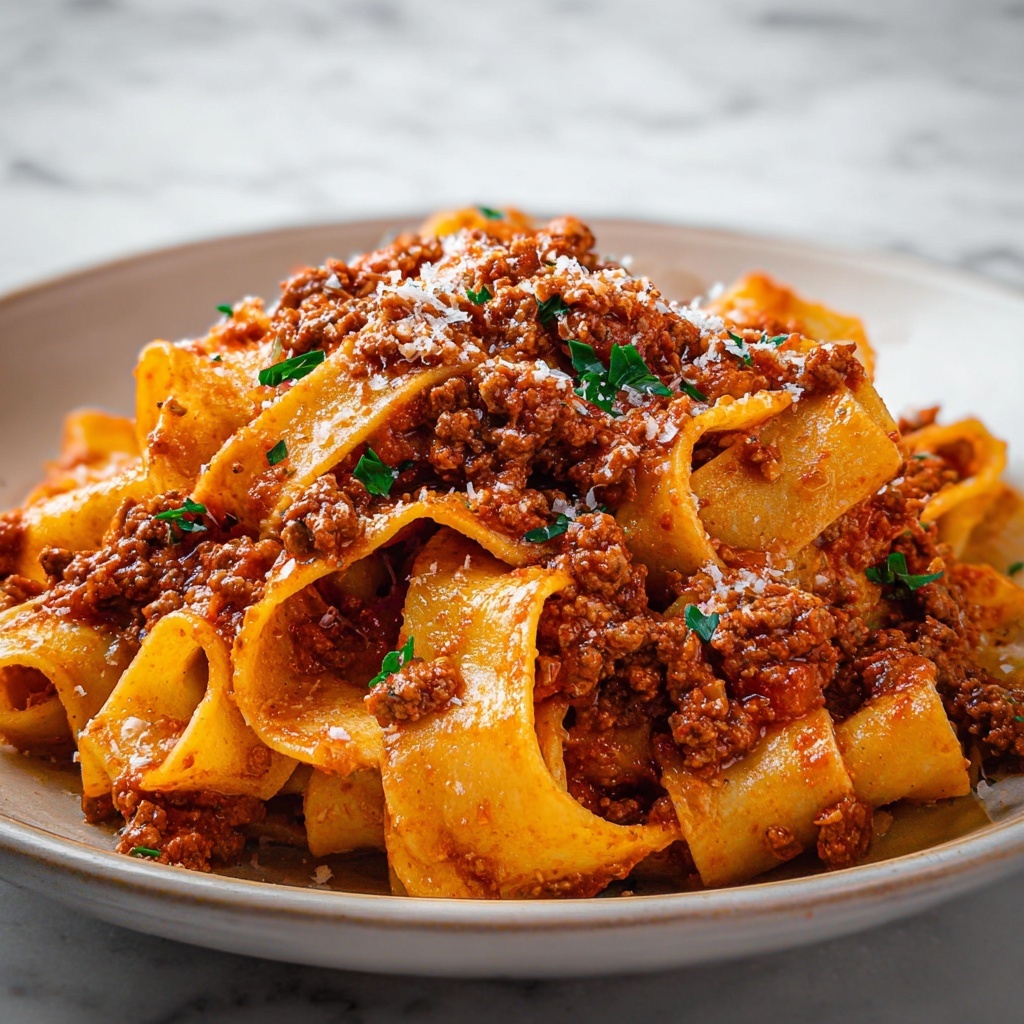
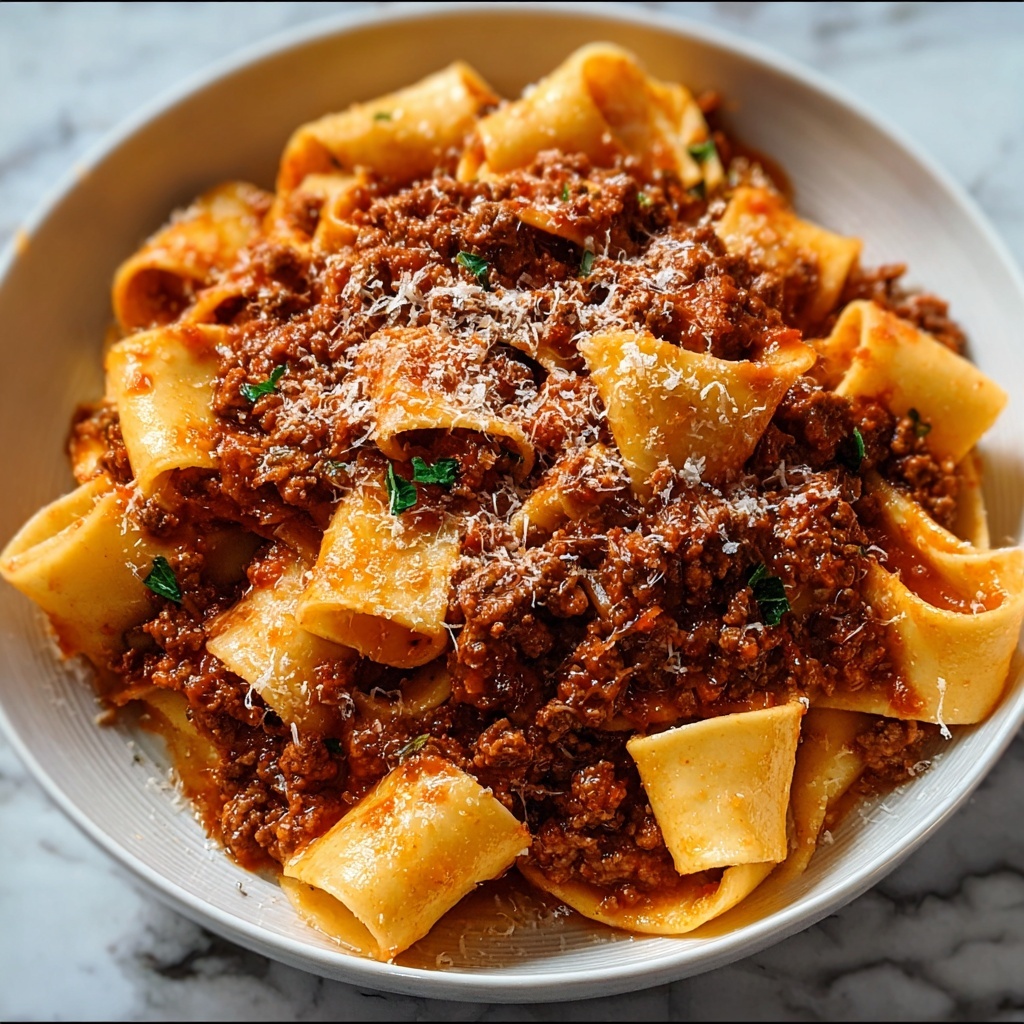
If you are craving a deeply comforting, richly flavored Italian comfort food, this Tuscan Ragu Recipe will absolutely steal your heart. This slow-simmered meat sauce bursts with layers of savory goodness thanks to its simple yet thoughtful ingredients, turning ordinary ground meat into a luscious, velvety ragu perfect for cozy dinners. Whether dolloped over fresh pasta or creamy polenta, this dish is a must-try classic that captures the essence of rustic Tuscan cuisine with every bite.
Ingredients You’ll Need
Getting great flavor starts with quality, straightforward ingredients. Each item in this Tuscan Ragu Recipe plays an important role—the vegetables build a sweet, aromatic base, the meats add rich depth, and the herbs and wine bring complexity and warmth to the sauce.
- Olive oil: Provides a silky foundation that gently cooks the veggies without overpowering their natural flavors.
- Onion: Adds a delicate sweetness and fragrant depth when softened properly.
- Carrot: Brings natural sweetness and a subtle texture contrast to the sauce.
- Celery stalk: Contributes an earthy, slightly bitter note that balances the sweetness.
- Garlic cloves: Offers a punch of aromatic sharpness that elevates the entire dish.
- Ground beef or pork: Forms the hearty, savory backbone of the ragu with rich umami flavors.
- Italian sausage: Adds a spiced, juicy complexity that rounds out the meat blend beautifully.
- Tomato paste: Intensifies the tomato flavor and helps thicken the sauce for a luxurious finish.
- Dry red wine: Introduces acidity and depth, melding all components into a harmonious whole.
- Crushed tomatoes: Provide body and fresh, tangy tomato essence essential to any classic ragu.
- Whole milk: Tenderizes the meat and softens the acidity, creating a smooth, balanced sauce.
- Salt and black pepper: Season the sauce to perfection, enhancing and tying flavors together.
- Dried oregano and thyme: Bring aromatic herbal notes, evoking authentic Tuscan countryside flavors.
- Bay leaf: Infuses a subtle complexity that deepens with slow cooking.
- Crushed red pepper flakes (optional): A touch of heat for those who love a gentle spicy kick.
- Fresh basil or parsley: Added at the end for a burst of vibrant freshness and color.
How to Make Tuscan Ragu Recipe
Step 1: Building the Flavorful Base
Begin by heating olive oil in a large heavy-bottomed pot over medium heat. Add the finely chopped onion, carrot, and celery, cooking gently for 6 to 8 minutes until the vegetables have softened and melded into a fragrant base. This soffritto blends sweet and savory notes that are essential to an authentic Tuscan ragu.
Step 2: Adding Aromatic Garlic
Next, stir in the minced garlic and cook just until fragrant, about 30 seconds. Be careful not to burn it—garlic that is gently cooked releases a robust aroma without becoming bitter, setting the perfect stage for the meat.
Step 3: Browning the Meats
Add the ground beef and the Italian sausage after removing the casings, breaking them up with a wooden spoon. Cook thoroughly until the meat is fully browned and no longer pink. Browning ensures deep, caramelized flavors that elevate the entire dish.
Step 4: Enhancing with Tomato Paste and Wine
Stir in two tablespoons of tomato paste and let it cook for about two minutes. This step deepens the tomato flavor dramatically. Then pour in one cup of dry red wine, allowing it to simmer until mostly reduced. The wine adds layers of complexity, making every spoonful sing.
Step 5: Simmering the Ragu to Perfection
Now pour in the crushed tomatoes, milk, and season with salt, black pepper, dried oregano, thyme, bay leaf, and optional crushed red pepper flakes. Reduce the heat to low and let the sauce simmer gently for 60 to 90 minutes, stirring occasionally. This slow cooking melds all the flavors and tenderizes the meat, creating a thick, rich, and velvety ragu that’s absolutely unforgettable. Don’t forget to remove the bay leaf before serving.
Step 6: Finishing Touches
Just before serving, stir in fresh chopped basil or parsley to add brightness and a pop of color. This final flourish lifts the dish and celebrates the rustic freshness that is the hallmark of Tuscan cooking.
How to Serve Tuscan Ragu Recipe
Garnishes
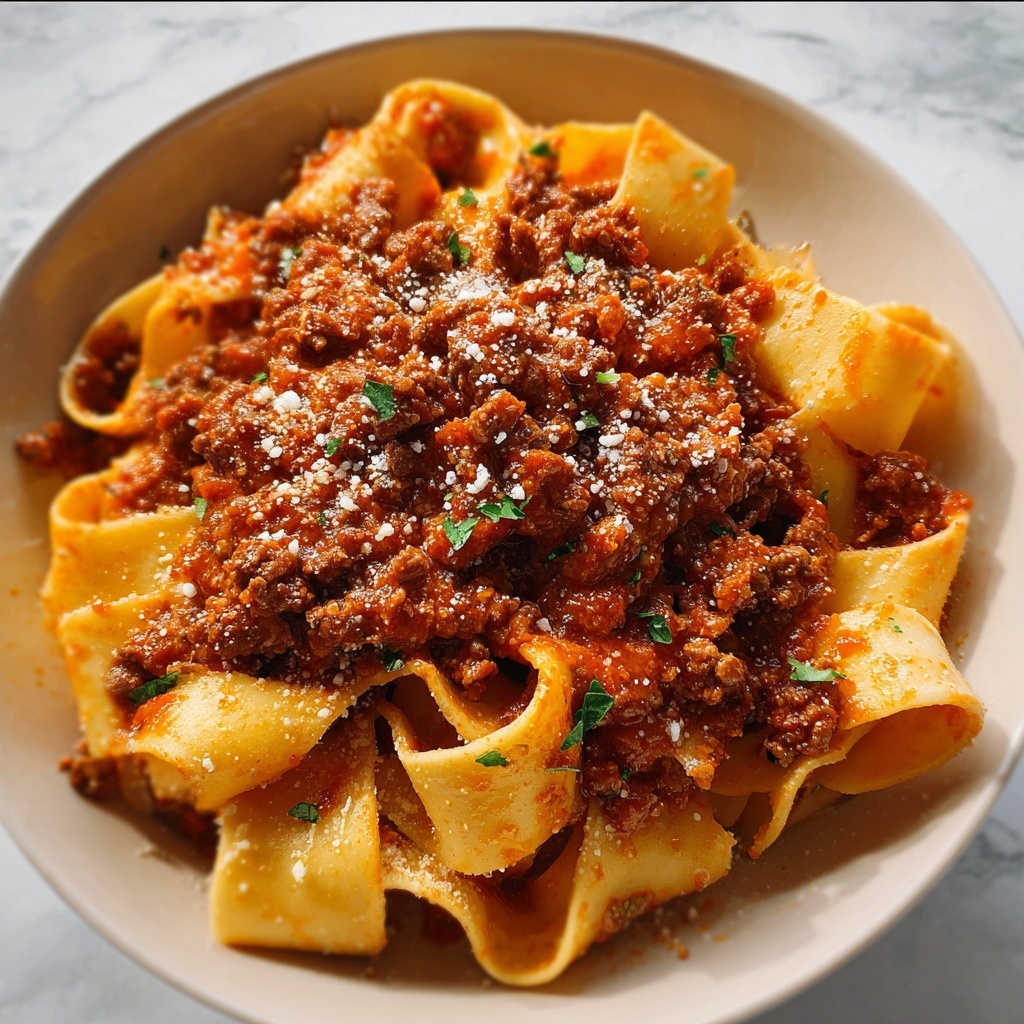
Fresh basil or parsley sprinkled on top brightens the rich ragu and adds inviting color contrast. Consider fresh grated Parmesan or pecorino cheese for a salty, creamy finish that melts into the sauce beautifully.
Side Dishes
This Tuscan Ragu Recipe shines served over freshly cooked pasta like pappardelle, tagliatelle, or rigatoni, which soak up the sauce perfectly. Creamy polenta or mashed potatoes also make fantastic bases, offering a smooth texture that complements the hearty ragu. Add a simple green salad and crusty bread to round out the meal.
Creative Ways to Present
For an elegant twist, serve the ragu over stuffed pasta shells or as a filling in savory crepes. You can also use it as a rich braising sauce for meaty vegetables like eggplant or mushrooms. This versatile ragu invites culinary creativity, making every meal feel special.
Make Ahead and Storage
Storing Leftovers
After the ragu has cooled completely, store it in an airtight container in the refrigerator. It will keep well for up to 3 days and tastes even better the next day as flavors continue to meld.
Freezing
This Tuscan Ragu Recipe freezes beautifully. Portion it into freezer-safe containers or heavy-duty bags, removing as much air as possible. It will keep its vibrant flavor and texture for up to 3 months, making it a convenient and delicious meal prep option.
Reheating
Reheat gently on the stovetop over low heat, stirring occasionally to prevent sticking. If the sauce has thickened too much, add a splash of water, milk, or broth to loosen it up. You can also microwave leftovers, covering the dish and stirring midway for even heating.
FAQs
Can I use ground turkey or chicken instead of beef and pork?
Absolutely! While beef and pork give a richer flavor, ground turkey or chicken can be used for a lighter version. Just keep in mind that the sauce might not be as deeply savory, so consider adding extra herbs or a splash of broth for added depth.
Why do I add milk to the ragu?
Milk helps tenderize the meat and mellows the acidity of the tomatoes, creating a smoother, more balanced sauce. It’s a traditional step in many Italian ragus that adds to the luscious texture.
How long should I simmer the ragu?
Simmering for 60 to 90 minutes is ideal to let flavors deepen and the sauce thicken. The slow, gentle cooking makes the meat tender and allows all the aromas to marry perfectly.
Can I make this Tuscan Ragu Recipe in a slow cooker?
Yes! After browning the meat and sautéing the vegetables, transfer everything to a slow cooker and cook on low for 6 to 8 hours. Just add the milk in the last 30 minutes of cooking to avoid curdling.
What pasta pairs best with this ragu?
Wide, flat pastas like pappardelle or tagliatelle work beautifully because their broad surfaces catch the chunky meat sauce. Rigatoni or penne are great for holding the ragu in their tubes or ridges, maximizing every bite’s flavor.
Final Thoughts
This Tuscan Ragu Recipe is one of those dishes that fills your kitchen with warmth and your plate with soul-satisfying goodness. Taking the time to slowly build flavor with simple, quality ingredients rewards you with an authentic taste of Italy that’s perfect for sharing with loved ones. Give this recipe a try soon—you might just discover a new family favorite.
Print
Tuscan Ragu Recipe
- Prep Time: 20 minutes
- Cook Time: 1 hour 30 minutes
- Total Time: 1 hour 50 minutes
- Yield: 6 servings
- Category: Main Course, Sauce
- Method: Stovetop
- Cuisine: Italian
- Diet: Gluten Free
Description
This Tuscan Ragu is a rich and hearty Italian meat sauce featuring a blend of ground beef, Italian sausage, and aromatics simmered slowly with tomatoes, red wine, and herbs. The addition of milk tenderizes the meat and balances acidity, resulting in a thick, flavorful ragu perfect for serving over pasta or polenta.
Ingredients
Vegetables and Aromatics
- 2 tablespoons olive oil
- 1 medium onion, finely chopped
- 1 carrot, finely diced
- 1 celery stalk, finely diced
- 3 cloves garlic, minced
Meat
- 1 pound ground beef or ground pork
- 1/2 pound Italian sausage, casings removed
Flavorings and Liquids
- 2 tablespoons tomato paste
- 1 cup dry red wine
- 1 can (28 ounces) crushed tomatoes
- 1/2 cup whole milk
- 1 teaspoon salt
- 1/2 teaspoon black pepper
- 1 teaspoon dried oregano
- 1/2 teaspoon dried thyme
- 1 bay leaf
- 1/4 teaspoon crushed red pepper flakes (optional)
Herbs
- 1/4 cup chopped fresh basil or parsley
Instructions
- Prepare the base: Heat the olive oil in a large heavy-bottomed pot over medium heat. Add the finely chopped onion, diced carrot, and celery. Cook for 6 to 8 minutes until softened, stirring occasionally to prevent burning.
- Add garlic: Stir in the minced garlic and cook for 30 seconds until fragrant, being careful not to let it brown.
- Brown the meat: Add ground beef (or pork) and Italian sausage (without casings) to the pot. Break up the meat with a spoon and cook until fully browned and no longer pink.
- Incorporate tomato paste: Stir in the tomato paste and cook for 2 minutes to deepen its flavor and coat the meat evenly.
- Deglaze with wine: Pour in the dry red wine and simmer until mostly reduced, allowing the alcohol to cook off and concentrating the flavors.
- Add tomatoes and seasonings: Stir in the crushed tomatoes, milk, salt, black pepper, dried oregano, dried thyme, bay leaf, and crushed red pepper flakes if using.
- Simmer the ragu: Reduce heat to low and let the sauce simmer gently for 60 to 90 minutes, stirring occasionally, until thick, rich, and tender in texture.
- Finish and serve: Remove the bay leaf from the pot. Stir in the chopped fresh basil or parsley for brightness. Serve hot over your choice of pasta or creamy polenta.
Notes
- Slow simmering is essential to develop the authentic rich Tuscan flavors.
- Milk tenderizes the meat while balancing the acidity of the tomatoes.
- This ragu freezes well and can be stored for up to 3 months.
- Use fresh herbs at the end to preserve their vibrant flavor and aroma.
- To make it gluten-free, ensure all ingredients including sausage have no gluten additives.