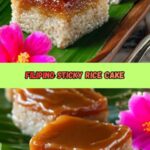
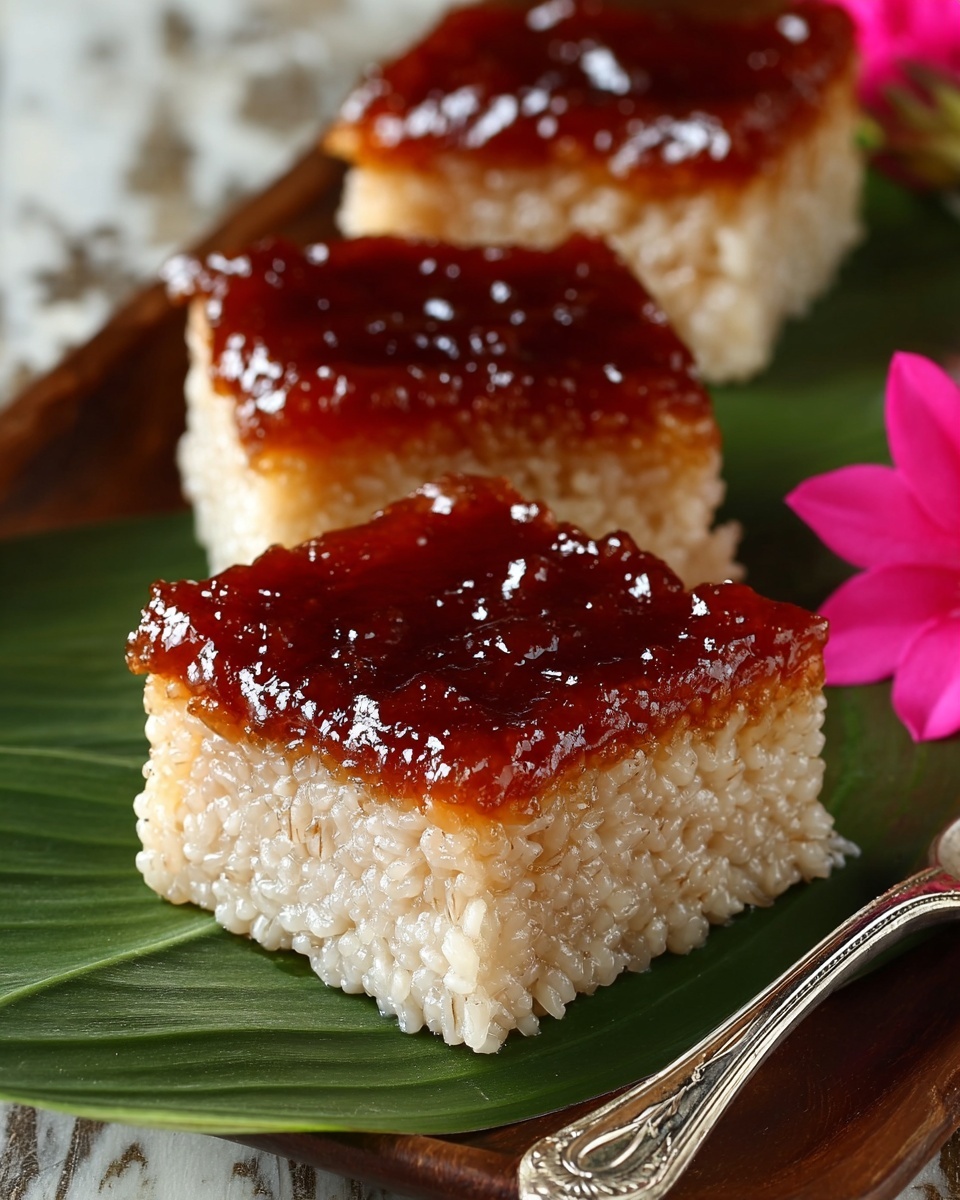
If you have a sweet tooth and a love for comforting, sticky treats, you are in for a delightful experience with this Biko Filipino Rice Cake Recipe. This traditional Filipino dessert is a luscious, caramel-infused rice cake that’s perfectly chewy and soaked in rich coconut goodness. What makes this recipe truly special is its balance of sweet and creamy flavors combined with the unique texture of glutinous rice, making it a crowd favorite at celebrations and family gatherings. If you have never tried making biko at home, this recipe will guide you through each step with such warmth and simplicity, you’ll be hooked for good!
Ingredients You’ll Need
Ingredients You’ll Need
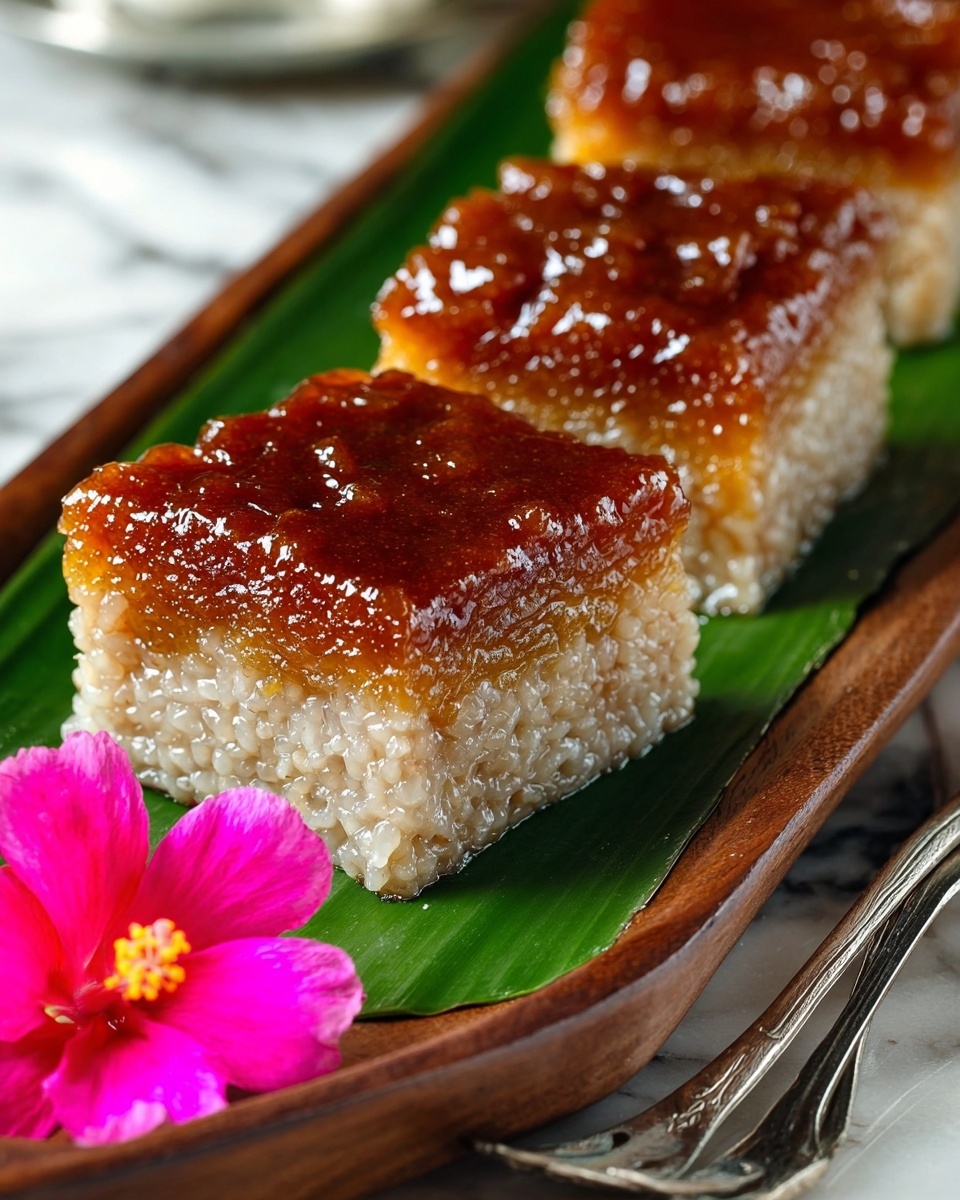
There is something magical about the humble ingredients in this Biko Filipino Rice Cake Recipe. Each element plays a vital role, from the sticky texture of the glutinous rice to the creamy richness of coconut milk and the deep caramel notes of dark brown sugar.
- 2 cups glutinous rice: The heart of the dish, giving biko its signature sticky and chewy texture.
- 1 cup canned coconut milk: Adds creaminess and a subtle tropical flavor for moist rice.
- 1 cup water: Helps to cook the rice gently alongside coconut milk.
- 2 pieces pandan leaves: Infuse a delicate, fragrant aroma that elevates the dish naturally.
- 2 cups canned coconut milk: Used again for creating the luscious latik syrup topping.
- 1 cup dark brown sugar: Packed and essential for the rich caramel flavor that defines biko.
- 1 teaspoon vanilla (optional): Enhances the sweetness and adds a lovely warm note.
- Vegetable or coconut oil: For greasing the pan to ensure your biko releases easily after baking.
How to Make Biko Filipino Rice Cake Recipe
Step 1: Prepare Your Pan
The very first thing you want to do is generously grease an 8×8-inch square baking pan using vegetable or coconut oil. This small step makes a big difference in ensuring your sticky rice cake doesn’t get stuck and comes out in perfect squares for serving later.
Step 2: Cook the Rice with Pandan
In a large pot over medium heat, combine 1 cup of coconut milk and 1 cup of water. Add in your glutinous rice and the pandan leaves. Bring this to a gentle simmer, then reduce the heat to low and cover. Cook the rice carefully until the liquid is absorbed but the rice is not fully cooked yet—it should be soft but slightly chalky in the center. This halfway point is key to keeping the biko from getting mushy.
Step 3: Make the Latik Syrup
While the rice is simmering, prepare the mouthwatering latik syrup. Combine the remaining 2 cups coconut milk and 1 cup packed dark brown sugar in a large pan. Add vanilla if you like a hint of warmth in your dessert. Cook this mixture over medium heat, stirring constantly, until it thickens into a deep caramel-colored syrup. Once thickened, reduce the heat to very low to keep it warm without burning.
Step 4: Mix Rice with Syrup
Remove the pandan leaves and scoop out a half cup of this luscious latik syrup for later topping. Gently mix the cooked rice into the remaining syrup, folding carefully so each grain becomes saturated but still distinct. Keep cooking over low heat, stirring occasionally, until the rice has absorbed the syrup but retains its texture and slight firmness. This fold-and-stir method gives biko its signature sticky, yet perfectly textured bite.
Step 5: Bake Your Biko
Transfer the sticky sweet rice mixture into your greased pan and spread it out evenly. Pour the reserved latik syrup over the top and spread gently. Bake in a preheated oven at 350°F (180°C) for 20 to 30 minutes, or until the syrup topping bubbles and thickens. This baking step melds the flavors, creating that irresistible caramelized surface everyone loves.
Step 6: Cool, Cut, and Serve!
Once baked, remove the biko from the oven and let it cool completely. Cooling helps the sticky rice set, making it easier to cut into neat squares. Serve it as is, and enjoy this delightful treat that tastes like a warm hug on a plate.
How to Serve Biko Filipino Rice Cake Recipe
Garnishes
Biko is delicious on its own, but a sprinkle of toasted coconut flakes or a drizzle of extra latik syrup can elevate the experience, adding texture and a touch of crunchiness that contrasts perfectly with the sticky rice.
Side Dishes
Pair your biko with ripe mango slices or a cup of hot tea or coffee to balance the sweetness. The fresh fruit cuts through the richness beautifully, making every bite a perfect harmony of flavors.
Creative Ways to Present
If you want to impress your guests, serve biko in little banana leaf squares or mold the sticky rice into bite-sized balls for a fun twist. Another idea is to layer the biko with fresh fruit or sweetened coconut strips for a multi-textured dessert platter.
Make Ahead and Storage
Storing Leftovers
Leftover biko can be stored in the refrigerator in an airtight container for up to 4 days. The flavors will deepen, and the texture becomes even more luscious after a day.
Freezing
To freeze, wrap individual portions tightly in plastic wrap and then foil. Freeze for up to 2 months. When ready, thaw overnight in the fridge before reheating.
Reheating
Reheat biko gently in the microwave or on the stovetop with a splash of water to loosen it up. Warm it just until heated through to preserve the chewy texture and prevent it from drying out.
FAQs
Can I use regular rice instead of glutinous rice for this Biko Filipino Rice Cake Recipe?
Glutinous rice is essential for biko because of its sticky texture. Using regular rice will not give you the characteristic chewiness and may result in a crumbly cake.
What if I don’t have pandan leaves? Can I skip them?
Yes, you can skip pandan leaves if unavailable. They add a subtle fragrant aroma, but the biko will still taste delicious without them.
Is there a vegan option for this recipe?
This recipe is naturally vegan if you make sure to use coconut oil instead of butter and check that your sugar is not processed with bone char.
Why is my biko too mushy?
This usually happens if the rice is overcooked before combining with the syrup. Be sure to only partially cook the rice in step 2, so it finishes cooking during the syrup stage and baking.
Can I make this biko recipe without an oven?
Yes, you can skip baking by simmering the mixture in a pan until thick and sticky, then spreading it on a greased tray to set. Baking just adds a nice caramelized finish.
Final Thoughts
Making this Biko Filipino Rice Cake Recipe at home is like bringing a piece of Filipino tradition right into your kitchen, sharing the sweet love and warmth of a much-loved classic. It’s simple, comforting, and so rewarding to eat or share with family and friends. Give it a try—you’ll soon discover why biko holds such a cherished place at every Filipino celebration!
Print
Biko Filipino Rice Cake Recipe
- Prep Time: 5 minutes
- Cook Time: 60 minutes
- Total Time: 1 hour 5 minutes
- Yield: 9 to 10 squares
- Category: Dessert
- Method: Baking
- Cuisine: Filipino
Description
Biko is a traditional Filipino sticky rice cake made with glutinous rice, coconut milk, and brown sugar, topped with a sweet caramelized coconut syrup called latik. This luscious treat offers a rich, creamy texture and deep caramel flavors perfect for dessert or merienda.
Ingredients
Rice and Coconut Mixture
- 2 cups glutinous rice, washed and drained
- 1 cup canned coconut milk
- 1 cup water
- 2 pieces pandan leaves
Latik Syrup
- 2 cups canned coconut milk
- 1 cup dark brown sugar, packed
- 1 teaspoon vanilla extract (optional)
Other
- Vegetable or coconut oil, for greasing the pan
Instructions
- Prepare the Pan: Generously grease an 8×8-inch square baking pan with vegetable or coconut oil and set it aside to prevent the biko from sticking during baking.
- Cook the Rice: In a large pot over medium heat, combine 1 cup coconut milk and 1 cup water. Add the glutinous rice and pandan leaves. Bring the mixture to a simmer, then reduce heat to low and cover. Cook until the liquid is mostly absorbed and the rice is almost cooked—soft but with a slight chalkiness in the center. If necessary, add small amounts of water (about 1/4 cup) to prevent drying out, pouring it along the edges.
- Make the Latik Syrup: While the rice cooks, combine 2 cups coconut milk and 1 cup dark brown sugar in a large pan. Add vanilla extract if desired. Cook over medium heat, stirring constantly, until the mixture thickens into a rich, dark brown syrup with caramel notes. Reduce heat to very low once thickened to keep warm.
- Combine Rice and Syrup: Reserve 1/2 cup of the latik syrup for the topping later. Add the cooked rice (remove pandan leaves) into the pan with the remaining syrup. Gently fold the sticky rice to coat evenly with the syrup. Cook over low heat with occasional stirring until the rice absorbs the syrup fully but retains visible grains and is not mushy.
- Assemble and Bake: Transfer the sticky rice mixture to the greased pan, spreading it out evenly. Pour the reserved latik syrup evenly on top. Bake in a preheated oven at 350°F (180°C) for 20-30 minutes, or until the topping is bubbling and slightly reduced.
- Cool and Serve: Remove the biko from the oven and let it cool down completely to set. Cut into approximately 9 or 10 squares and serve for a delicious, sweet Filipino treat.
Notes
- You can substitute pandan leaves with vanilla essence if pandan is unavailable, but pandan enhances the aroma.
- Using canned coconut milk is essential for rich flavor and creamy texture.
- If the rice becomes mushy, reduce cooking time or liquid added during the first cooking step next time.
- Store leftovers covered in the refrigerator and consume within 2-3 days for best taste.