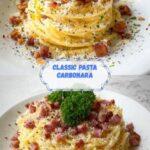
If you have ever dreamed of recreating that rich, creamy, and irresistibly comforting Roman classic right in your own kitchen, this Authentic Pasta Carbonara Recipe is the perfect place to start. This dish strikes the ideal balance between indulgence and simplicity, mixing crispy chunks of guanciale, a luscious pecorino romano cheese sauce, and perfectly al dente pasta. It’s a celebration of traditional ingredients that come together in a way that tastes far more sophisticated than the handful of steps it takes to make. Prepare to wow everyone at your table with a plate of Carbonara that feels like a warm hug from Italy itself!
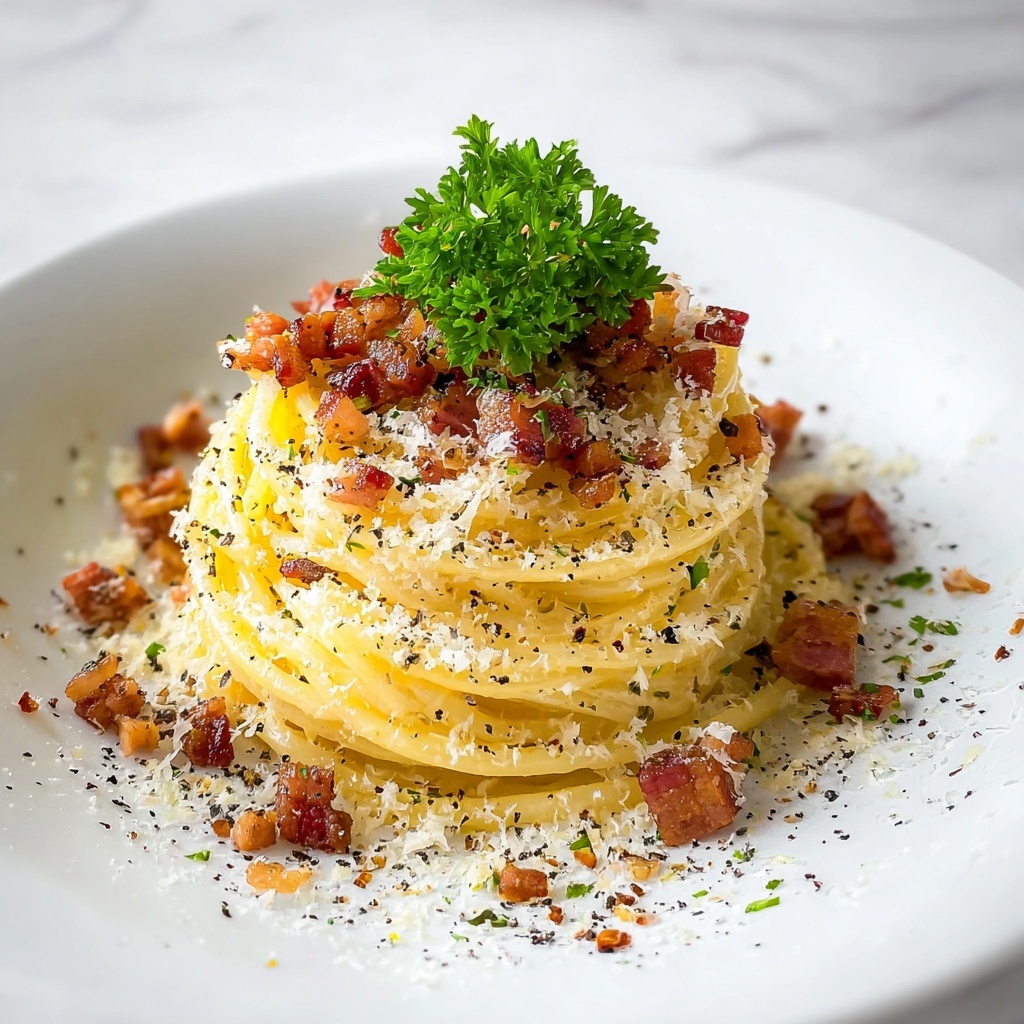
Ingredients You’ll Need
Don’t be intimidated by the short ingredient list—each component in this recipe plays a crucial role, contributing unique flavors, textures, and colors that define an authentic Carbonara. Quality ingredients make all the difference here, from the salty, crispy guanciale to the sharp, tangy pecorino cheese.
- 400 g spaghetti or rigatoni: Choose a sturdy pasta shape to hold the sauce perfectly, with rigatoni catching every creamy, savory bite.
- 100 g guanciale (or pancetta) cut into small cubes: The star of the dish, guanciale renders fat and adds a crisp, smoky depth that’s unmatched.
- 4 large eggs (room temperature): These create the silky, luscious sauce that clings to every strand of pasta.
- 100 g pecorino romano cheese, finely grated: This sharp, salty cheese brings the quintessential tang and creamy body to the sauce.
- Freshly ground black pepper to taste: Adds a bright spice that cuts through the richness perfectly.
- Salt for pasta water: Essential for seasoning the pasta itself and enhancing every flavor.
- Optional: A pinch of salt for seasoning: Use sparingly because guanciale and pecorino are quite salty already.
How to Make Authentic Pasta Carbonara Recipe
Step 1: Cook the Pasta to Perfection
The foundation of any great Carbonara is perfectly cooked pasta. Bring a large pot of generously salted water to a rolling boil, then add your choice of spaghetti or rigatoni. Cook it until just al dente, meaning it should have a slight bite—it will continue to cook a little when tossed with the warm sauce later. Reserve about a cup of pasta water before draining; this starchy water is pure magic when it comes to perfecting your sauce’s texture.
Step 2: Crisp Up the Guanciale
While the pasta cooks, heat a large pan over medium heat. Toss in the guanciale cubes and let them sizzle and crisp up slowly, releasing their irresistible fat and aroma. This process should take about 5 to 7 minutes, giving you crispy, golden bites that are the ultimate flavor boost for the dish. Don’t drain the fat—this rendered goodness is the secret sauce base!
Step 3: Whisk Together the Creamy Egg and Cheese Mixture
In a large mixing bowl, beat together the eggs and pecorino romano cheese until fully combined. The cheese will add both body and tang to your sauce, while the eggs are what give it that luxuriously creamy, yet naturally thick texture. Add an ample grind of fresh black pepper here to infuse your mixture with vibrant spice and aroma.
Step 4: Combine Pasta and Guanciale
Immediately after draining, transfer the hot pasta straight to the pan with the crispy guanciale, tossing quickly to coat every strand or tube of pasta in that golden fat. This step is crucial—it helps the pasta soak up those savory flavors completely before the sauce is added.
Step 5: Create the Creamy Carbonara Sauce
Remove the pan from the heat to avoid scrambling the eggs. Pour the egg and cheese mixture over the pasta, stirring rapidly and continuously. The residual heat gently cooks the eggs, creating a silky sauce that clings to every bite. If the sauce feels too thick, add a splash of your reserved pasta water bit by bit until you have the perfect creamy consistency that coats but doesn’t drown the pasta.
Step 6: Season and Serve Immediately
Give the dish a final taste and add more black pepper or a tiny pinch of salt if necessary, keeping in mind the guanciale and pecorino already bring saltiness. Serve the Carbonara hot, right away, to enjoy its creamy richness at its peak.
How to Serve Authentic Pasta Carbonara Recipe
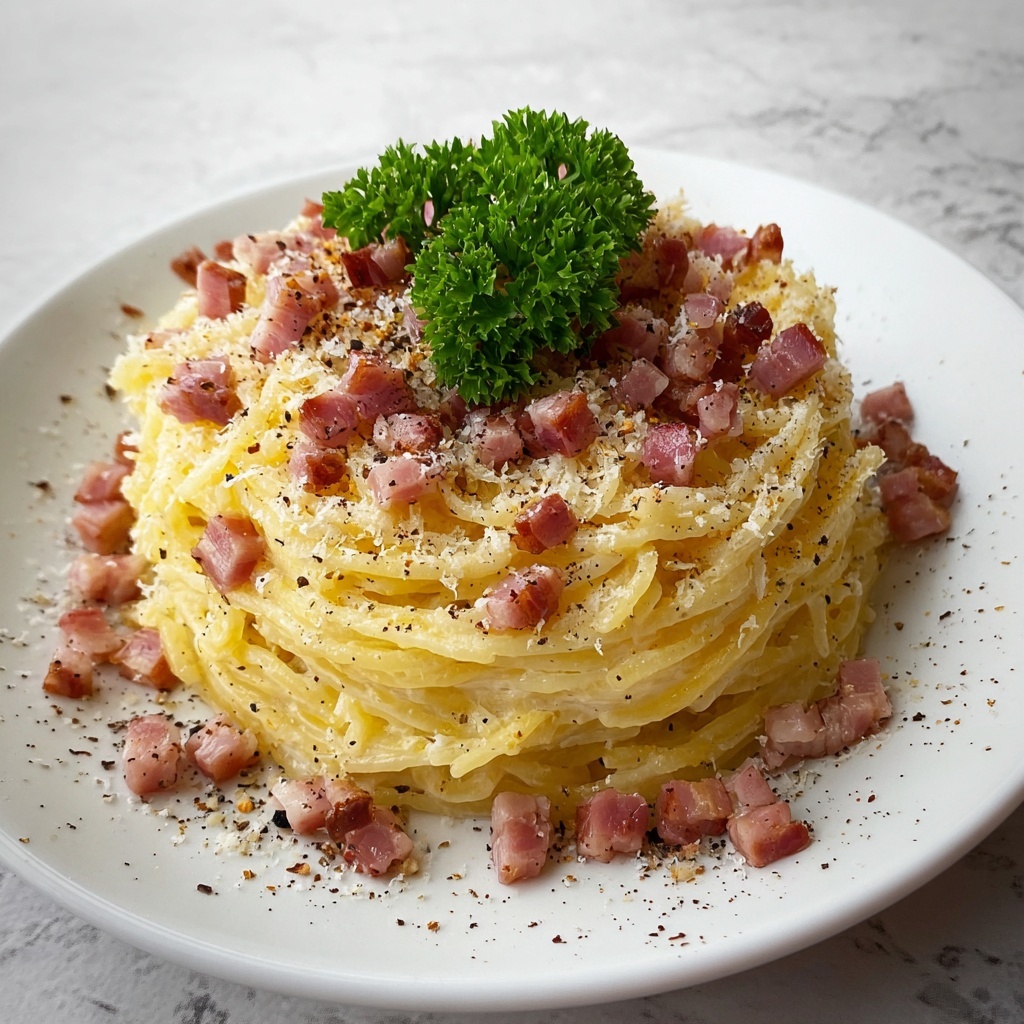
Garnishes
A little extra pecorino romano grated fresh over the top and an additional sprinkle of cracked black pepper can elevate the dish’s presentation and deepen its flavor. These simple touches add a layer of elegance and signal that this Carbonara is made with care and respect for tradition.
Side Dishes
Since Carbonara is rich and hearty, it pairs beautifully with simple sides like a crisp green salad dressed with lemon vinaigrette or roasted vegetables. A light white wine, perhaps a Verdicchio or Pinot Grigio, complements the saltiness and creaminess without overpowering the delicate balance of flavors.
Creative Ways to Present
For a fun twist, serve your Authentic Pasta Carbonara Recipe in individual shallow bowls with a small bowl of extra cheese and pepper on the side, inviting guests to personalize their plates. You can also sprinkle some chopped fresh parsley to introduce a fresh color contrast or serve it alongside rustic garlic bread to mop up the irresistible sauce.
Make Ahead and Storage
Storing Leftovers
If you find yourself with leftovers, store them in an airtight container in the refrigerator for up to 2 days. Because Carbonara sauce is egg-based, it’s best enjoyed fresh, but refrigeration will keep it safe and flavorful for a short while.
Freezing
Freezing Carbonara is generally not recommended. The creamy sauce made from eggs and cheese can separate when thawed, resulting in a grainy texture. It’s better to enjoy this dish fresh or refrigerate and consume within a couple of days.
Reheating
To reheat, gently warm the pasta in a pan over low heat, adding a splash of milk, cream, or reserved pasta water to bring back creaminess. Avoid microwaving if possible, as it can quickly overcook the eggs and toughen the texture.
FAQs
Can I substitute pancetta for guanciale?
Absolutely! While guanciale is the traditional choice and offers a unique flavor, pancetta is a perfectly acceptable substitute if guanciale is hard to find. Just know that guanciale’s slightly fattier, richer taste and texture put it a notch above.
Is cream used in Authentic Pasta Carbonara Recipe?
No, traditional Carbonara relies solely on eggs and cheese for its creamy texture. Adding cream is a common modification outside Italy but isn’t part of the authentic recipe, which keeps the dish wonderfully simple yet rich.
Why do I need to reserve pasta water?
The starchy pasta water is a crucial ingredient that helps loosen the egg and cheese mixture into a smooth sauce. It also helps the sauce cling beautifully to the pasta without becoming too thick or dry.
Can I use Parmesan instead of Pecorino Romano?
While Parmesan is a fine cheese, Pecorino Romano is preferred because its sharp, saltier profile defines Carbonara’s signature flavor. If you must substitute, expect a milder, less tangy dish.
How do I avoid scrambling the eggs?
To keep the eggs creamy rather than scrambled, always remove the pan from direct heat before mixing in the egg and cheese mixture. Stir continuously so the residual heat gently cooks the eggs without overheating.
Final Thoughts
There truly is something magical about this Authentic Pasta Carbonara Recipe that keeps people coming back for more. Its perfect blend of creamy, salty, crispy, and peppery notes wrapped around perfectly cooked pasta is an absolute joy to make and savor. I encourage you to give this classic a try—you’ll soon see why it’s treasured in kitchens all over the world. Buon appetito!
Print
Authentic Pasta Carbonara Recipe
- Prep Time: 0h 10m
- Cook Time: 0h 20m
- Total Time: 0h 30m
- Yield: 4 servings
- Category: Main Course
- Method: Stovetop
- Cuisine: Italian
Description
Authentic Pasta Carbonara is a classic Italian dish made with simple ingredients like spaghetti, guanciale, eggs, pecorino romano cheese, and black pepper. The creamy sauce is created by combining hot pasta with whisked eggs and cheese off the heat, resulting in a rich, silky coating without the use of cream. This recipe showcases traditional techniques for a perfectly balanced and flavorful carbonara.
Ingredients
Pasta
- 400 g spaghetti or rigatoni
- Salt for pasta water
Carbonara Sauce
- 100 g guanciale (or pancetta) cut into small cubes
- 4 large eggs (room temperature)
- 100 g pecorino romano cheese, finely grated
- Freshly ground black pepper to taste
- Optional: A pinch of salt for seasoning
Instructions
- Boil Pasta: Bring a large pot of salted water to a boil. Add the pasta and cook until al dente, following the package instructions, usually about 8-10 minutes depending on the pasta type.
- Cook Guanciale: While the pasta cooks, heat a large pan over medium heat. Add the guanciale and cook until golden brown and crisp, approximately 5-7 minutes. Leave the rendered fat in the pan to flavor the dish.
- Prepare Egg Mixture: In a large bowl, beat the eggs and mix in the finely grated pecorino romano cheese. Add a generous amount of freshly ground black pepper to build the signature flavor.
- Drain Pasta: Once the pasta is cooked al dente, reserve about 1 cup of the starchy pasta water, then drain the rest.
- Toss Pasta with Guanciale: Add the hot drained pasta to the pan with the guanciale. Toss well to coat the noodles in the flavorful rendered fat.
- Create Sauce: Remove the pan from heat to prevent scrambling the eggs. Quickly add the egg and cheese mixture to the pasta, stirring vigorously to create a smooth, creamy sauce. Add reserved pasta water little by little to achieve the perfect consistency.
- Season: Taste and adjust seasoning with additional freshly ground black pepper and a pinch of salt if necessary, being mindful of the saltiness from guanciale and pecorino.
- Serve: Serve immediately, garnished with extra pecorino romano cheese and black pepper if desired for an authentic presentation.
Notes
- Use guanciale for the most authentic flavor; pancetta is an acceptable substitute.
- Ensure eggs are at room temperature to help them mix evenly and create a smooth sauce.
- Do not add the egg mixture while the pan is on the heat to avoid scrambling the eggs.
- The reserved pasta water is key for adjusting the sauce’s creaminess and helping it adhere to the pasta.
- Serve carbonara immediately for best texture and flavor.