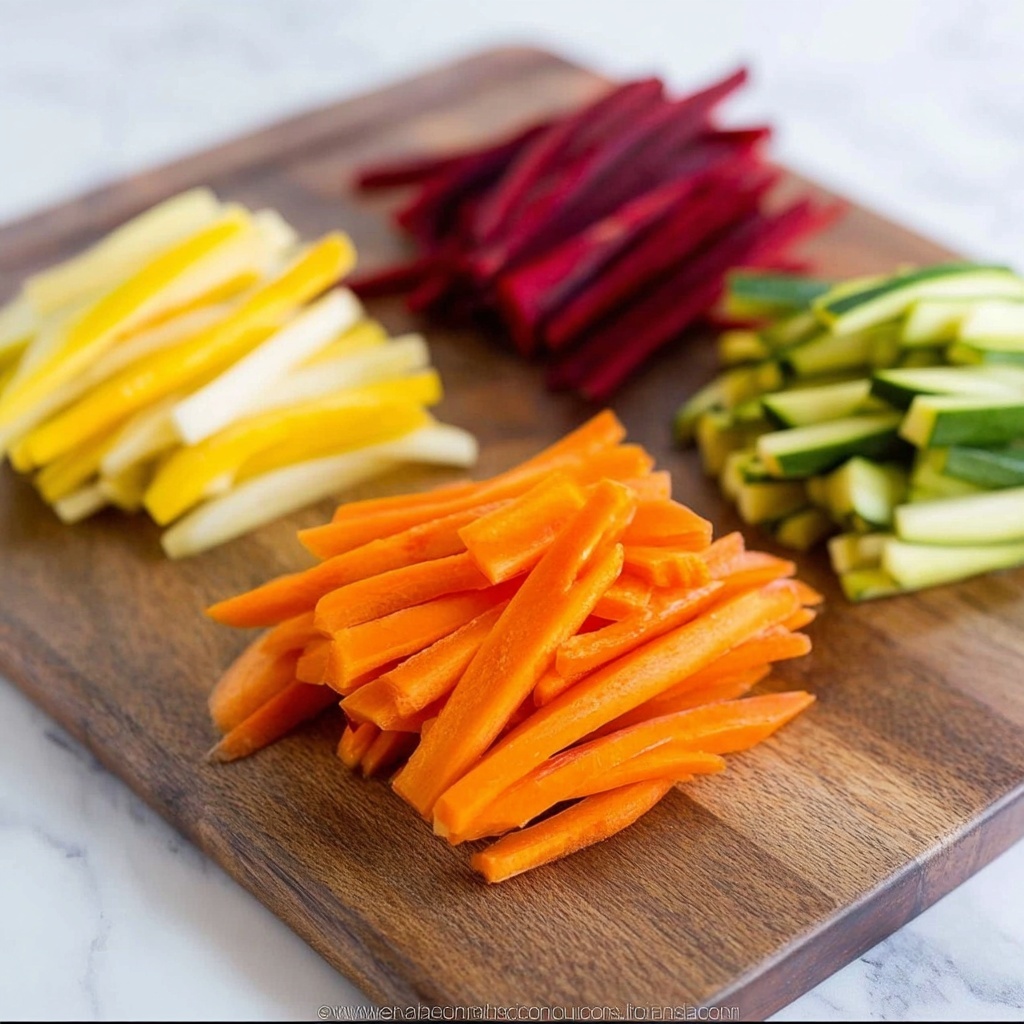
Mastering the art of slicing vegetables perfectly can elevate any meal, and learning How to Cut Julienne Strips Recipe is a game-changer in the kitchen. This technique transforms ordinary veggies into elegant, uniform sticks that cook evenly and look stunning on your plate. Whether you’re prepping for salads, stir-fries, or garnishes, julienne strips bring that professional touch with minimal effort. Let’s dive into the simple steps that will have you cutting like a chef in no time.
Ingredients You’ll Need
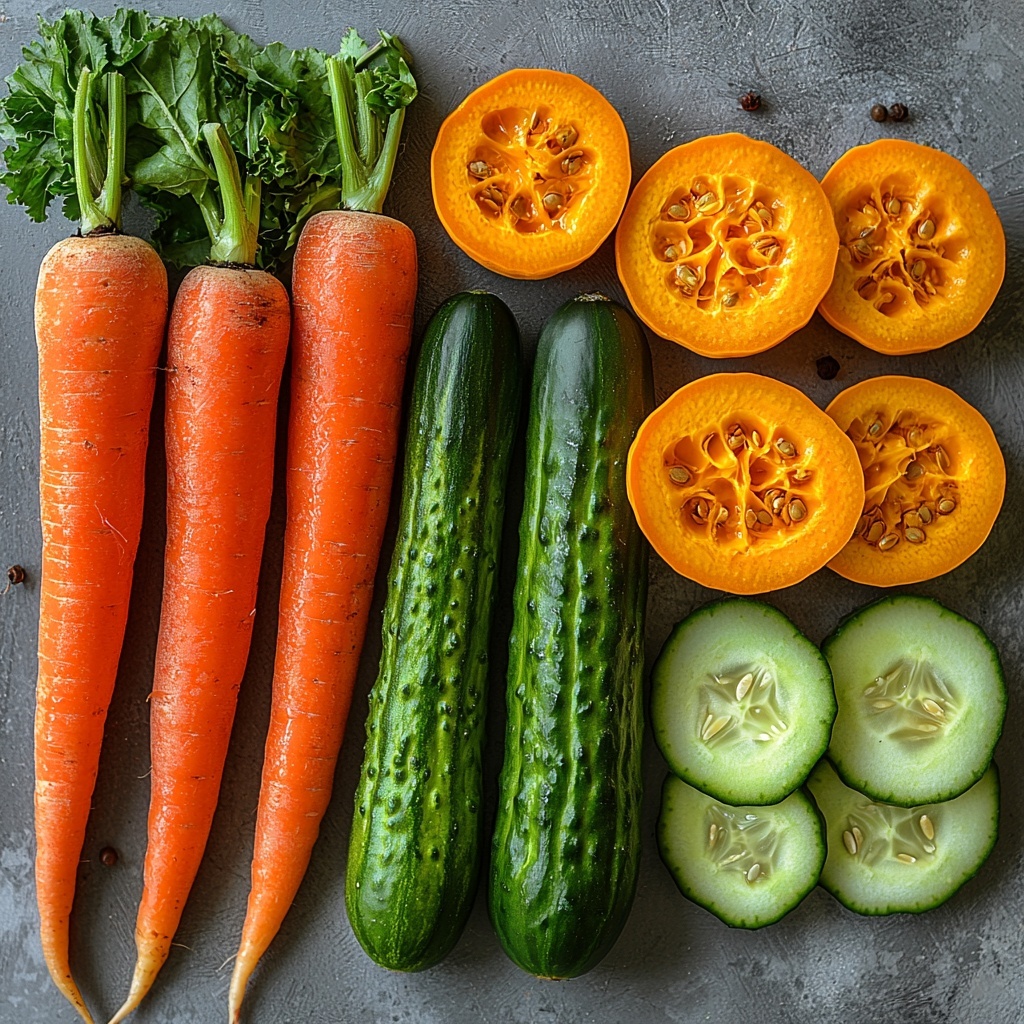
The beauty of this technique is its simplicity. You only need fresh vegetables and a sharp knife to get started, making it accessible for everyone. Each vegetable you choose adds its unique color, crunch, and flavor, bringing vibrancy and texture to your dishes.
- Vegetable (carrot, cucumber, beet, squash, etc.): Choose fresh, firm vegetables for the best julienne strips that hold their shape and add vibrant color to your plate.
- Vegetable peeler (optional): Handy for peeling tougher vegetables like carrots or beets for smooth, even cutting surfaces.
- Sharp chef’s knife: Essential for clean, precise cuts that make your julienne strips uniform and visually appealing.
How to Make How to Cut Julienne Strips Recipe
Step 1: Prep Your Vegetable
Start by washing your chosen vegetable thoroughly. If you’re using carrots, beets, or squash, remove the tough outer skins with a vegetable peeler. This creates a smooth surface that’s easier to cut and looks much more polished. Peeling also removes any bitterness and tough fibers that could affect the texture of your strips.
Step 2: Slice Into Manageable Sections
Cut your vegetable into sections about 2 to 3 inches long. This makes them easier to handle and cuts down on slippery accidents while you julienne. For round vegetables like cucumbers, slice them lengthwise into flattened slabs, so you get a stable base to cut thin strips from. The goal is to create even, thin rectangular pieces to turn into your strips.
Step 3: Cut Thin, Uniform Strips
Now for the heart of the process: slice each section into thin sticks about 1/8 inch wide. Keep your knife steady and use a smooth slicing motion to maintain control. The secret to perfect How to Cut Julienne Strips Recipe is patience and keeping your fingers tucked safely away. Your strips should be all roughly the same size to ensure even cooking and a beautiful presentation.
How to Serve How to Cut Julienne Strips Recipe
Garnishes
Julienne strips make gorgeous garnishes because of their slender shape and crisp texture. Scatter these over salads, soups, or noodle dishes for a pop of fresh color and subtle crunch. They can also be twirled into little nests for a more artistic look on plates.
Side Dishes
Use julienne vegetables sautéed quickly in a hot pan with a splash of soy or garlic butter. Their uniform shape cooks fast and evenly, making them perfect for crisp-tender vegetable medleys. They also work wonderfully raw as part of a fresh crudité platter paired with dips.
Creative Ways to Present
Transform your julienne strips into fun shapes or use them as edible ribbons to wrap around proteins or cheese. Thread them onto skewers for eye-catching vegetable kebabs or layer them in transparent glass bowls for colorful layered salads. The possibilities with this basic cutting technique are endless!
Make Ahead and Storage
Storing Leftovers
If you have leftover julienne strips, store them in an airtight container or zip-top bag with a damp paper towel to keep them crisp. Keep them refrigerated and consume within 2 to 3 days for the best texture and freshness. Avoid storing them in water as this can make them soggy.
Freezing
While freezing is generally not recommended for fresh-cut julienne vegetables because it affects texture, if you must freeze them, blanch hard vegetables like carrots first. After blanching, dry thoroughly then freeze in a single layer on a baking sheet before transferring to a container. This helps preserve integrity but they may be best used in cooked dishes after thawing.
Reheating
For cooked julienne vegetables, quick reheating by stir-frying or steaming will refresh their texture. Avoid microwaving, as it can turn them mushy. The key is gentle heat to warm them through while maintaining that classic crispness associated with julienne cuts.
FAQs
What vegetables are best for julienne strips?
Firm vegetables like carrots, cucumbers, zucchini, beets, and squash are ideal. They hold their shape and provide a satisfying crunch, making them perfect for julienne cutting and presentation.
Can I use a mandoline slicer for julienne strips?
Absolutely! A mandoline with a julienne blade makes quick work of cutting uniform strips. Just be careful and use the safety guard to protect your fingers.
How thin should julienne strips be?
The classic julienne strip is about 1/8 inch thick and 2 to 3 inches long. This size ensures the strips cook evenly and look delicate on any dish.
Is peeling necessary for all vegetables?
Not always. Peeling is recommended for tough-skinned vegetables like carrots and beets but unnecessary for tender-skinned ones such as cucumbers or zucchini, unless you prefer the appearance without skin.
What dishes benefit most from julienne strips?
Julienne strips work brilliantly in salads, stir-fries, spring rolls, garnishes, and even as crunchy toppings for soups. Their uniform shape offers consistent cooking and an eye-pleasing aesthetic.
Final Thoughts
Once you get comfortable with How to Cut Julienne Strips Recipe, you’ll find yourself reaching for this skill whenever you want to add elegance and texture to your meals. It’s such a simple, satisfying way to turn everyday vegetables into something special. So grab your favorite veggie, sharpen that knife, and start slicing— your dishes are about to get a whole lot more beautiful and delicious!
Print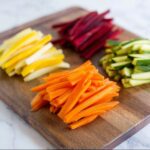
How to Cut Julienne Strips Recipe
- Prep Time: 2 minutes
- Cook Time: N/A
- Total Time: 2 minutes
- Yield: 1 serving
- Category: Preparation Technique
- Method: Stovetop
Description
Learn how to cut vegetables into precise julienne strips, a classic knife technique perfect for carrots, cucumbers, beets, squash, and more. This guide provides clear, step-by-step instructions to help you create thin, uniform strips ideal for garnishes, salads, and stir-fries.
Ingredients
Ingredients
- 1 vegetable (carrot, cucumber, beet, squash, etc.)
Instructions
- Peel the vegetable: If using a carrot or beet, start by peeling off the outer layer with a vegetable peeler to remove any tough skin and create a smooth surface for cutting.
- Trim the ends and square the sides: Cut off both ends of the vegetable, then slice the vegetable into manageable sections if necessary. Next, cut the vegetable into a rectangular or square block by trimming the rounded sides, which will make it easier to cut uniform strips.
- Slice into thin planks: With the flat side down, slice the vegetable lengthwise into thin, even planks, approximately 1/8 inch thick.
- Cut into julienne strips: Stack a few planks at a time and slice lengthwise again into thin strips about 1/8 inch wide, creating classic julienne cuts perfect for salads or stir-fry dishes.
Notes
- Use a sharp knife for clean, precise cuts and safer handling.
- Maintain consistent thickness to ensure even cooking or presentation.
- Julienne strips are typically about 1/8 inch in width and length can vary based on the dish.
- Practice proper knife skills to improve efficiency and accuracy.