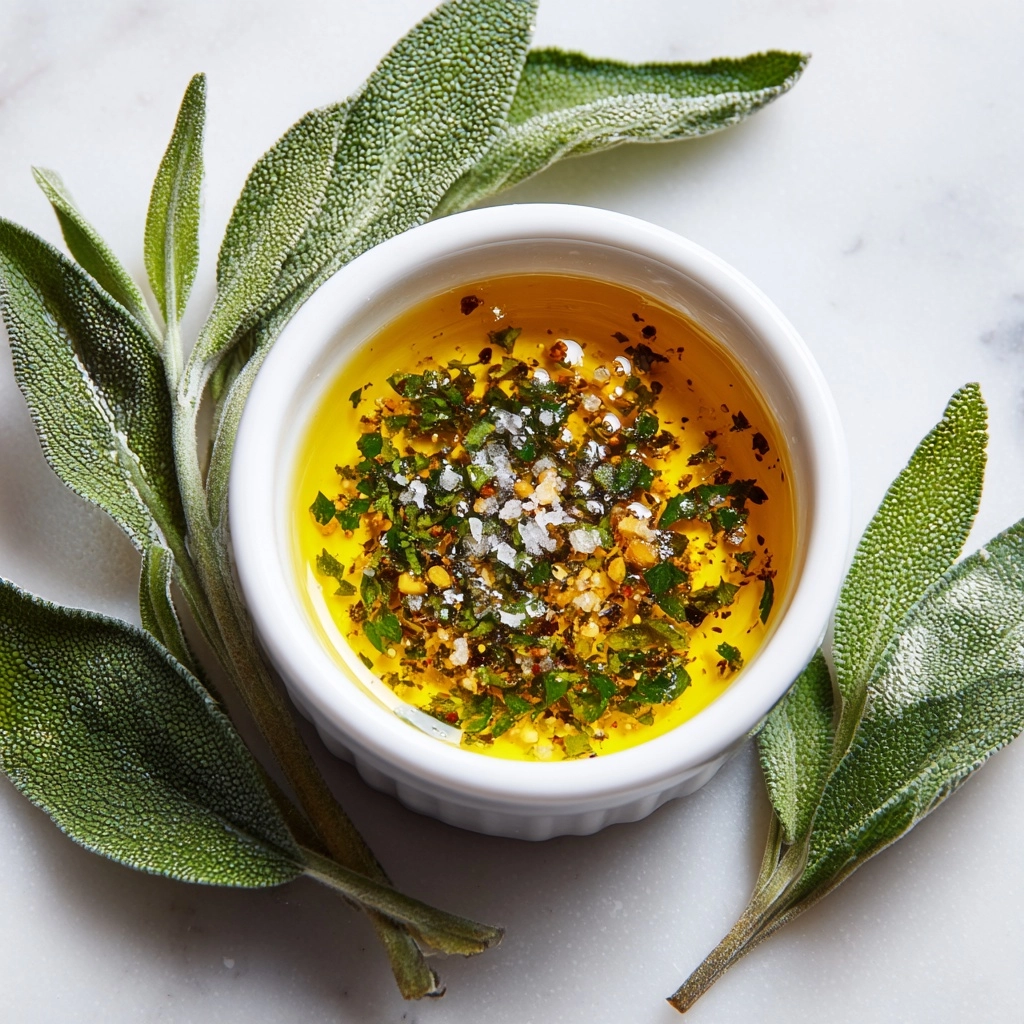
If you’ve been searching for that magical touch to elevate your meals effortlessly, this Sage Butter Sauce Recipe is the answer you’ve been craving. It melds the rich creaminess of butter with the earthy aroma of fresh sage leaves, garnished with a hint of lemon and an optional sprinkle of Parmesan cheese for an irresistible finish. Whether drizzled over pasta, gnocchi, roasted veggies, or chicken, this sauce brings warmth and flavor that feels comforting and special, making every meal feel like a celebration.
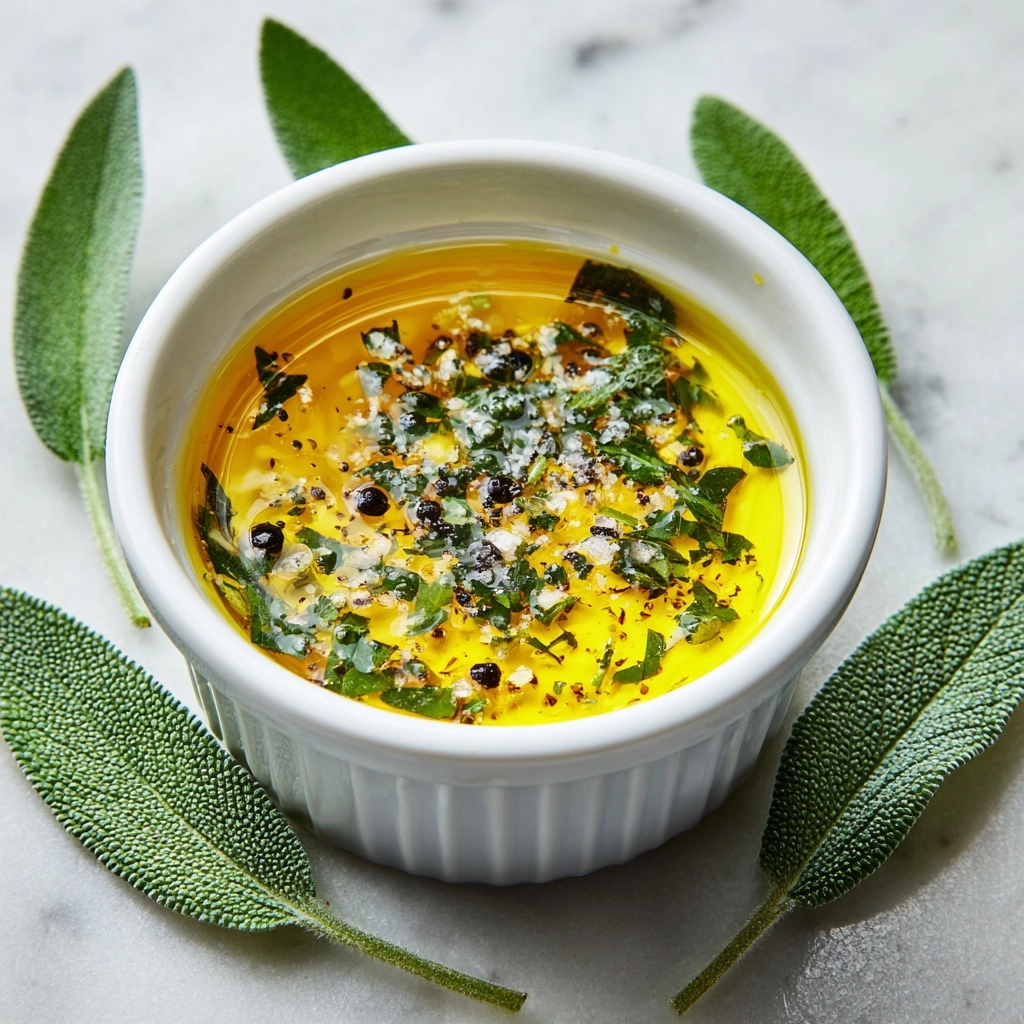
Ingredients You’ll Need
Gathering these few simple ingredients is all it takes to create a sauce bursting with flavor and elegance. Each component lends its unique character: butter offers a luscious base, sage brings an herbal note, and lemon juice adds bright freshness.
- Unsalted butter (1/2 cup or 1 stick): The foundation of the sauce, providing creamy richness and allowing you to control the salt level.
- Fresh sage leaves (8 to 10): Essential for that signature earthy fragrance and a slight crispy texture when cooked.
- Garlic (1 clove, minced, optional): Adds a subtle warm depth and complexity.
- Lemon juice (1 tablespoon): Brightens and balances the butter’s richness with a touch of citrus zing.
- Salt (1/4 teaspoon): Enhances all flavors perfectly without overpowering.
- Black pepper (1/4 teaspoon): Adds a gentle spicy kick to round out the seasoning.
- Parmesan cheese (2 tablespoons, optional): For a finishing touch of salty, nutty flavor that melds beautifully with the butter.
How to Make Sage Butter Sauce Recipe
Step 1: Melt the Butter
Start by melting your unsalted butter in a skillet over medium heat. This is where the magic begins—the butter will gently bubble and melt into a smooth, golden pool that will carry all the wonderful flavors.
Step 2: Add the Sage Leaves
Once the butter is melted, add your fresh sage leaves. Stir occasionally and let them cook for about 3 to 4 minutes until the butter turns golden and smells heavenly, and the sage leaves become delightfully crisp. Keep an attentive eye so your butter doesn’t brown too much too fast.
Step 3: Sauté Garlic (Optional)
If you’re a garlic fan, toss in the minced clove now. Sauté it gently for about 30 seconds to release its aroma but avoid burning it, as burnt garlic can turn bitter.
Step 4: Finish with Lemon, Salt, and Pepper
Remove the skillet from heat and stir in the fresh lemon juice, salt, and black pepper. This final touch brightens and balances the richness of the browned butter and sage for a sauce that bursts with complementary flavors.
Step 5: Serve Immediately
Drizzle your Sage Butter Sauce Recipe right away over your favorite dishes – pasta, gnocchi, ravioli, or roasted vegetables. Don’t forget to sprinkle Parmesan cheese if you like that melty, cheesy finish.
How to Serve Sage Butter Sauce Recipe
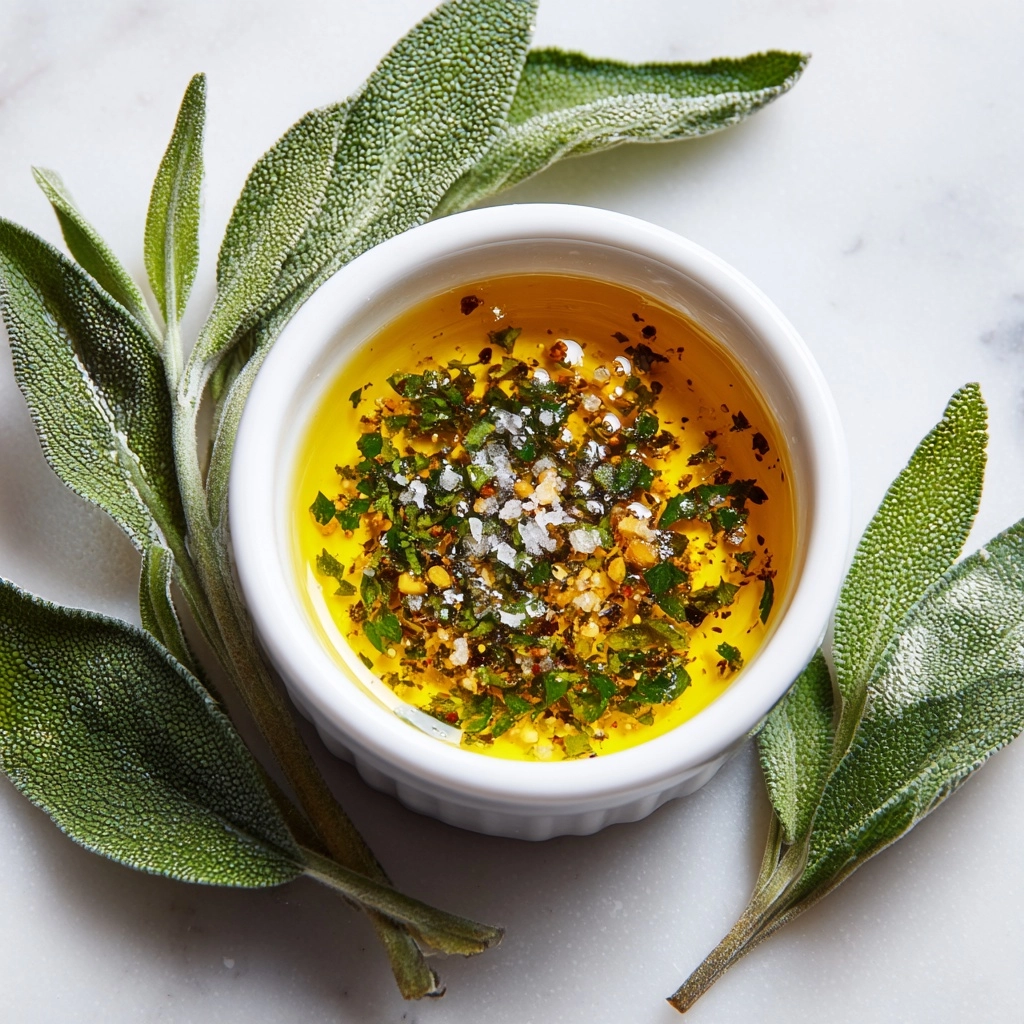
Garnishes
Adding a handful of grated Parmesan or freshly cracked black pepper over your dish with this sauce really elevates the presentation and flavor. For some extra color and crunch, a few toasted pine nuts or a sprinkle of freshly chopped parsley can work wonders.
Side Dishes
This sauce shines as a complement to simple sides like roasted asparagus, sautéed mushrooms, or buttery mashed potatoes. Its nutty, herbal flavor infuses those side dishes with a comforting complexity that feels just right.
Creative Ways to Present
Try tossing the sauce with homemade gnocchi or drizzling it over crispy polenta cakes. It’s also gorgeous poured over grilled chicken or even roasted salmon for an unexpected twist. The warm golden hue adds visual appeal wherever it goes, making your meal Instagram-worthy.
Make Ahead and Storage
Storing Leftovers
If you have leftovers, cool the sauce quickly by transferring it to a small airtight container and refrigerate. It should stay good for up to 3 days. Because butter solidifies when cold, you’ll want to reheat gently.
Freezing
While freezing this sauce is possible, keep in mind the texture may change slightly when thawed. Use an ice cube tray to freeze in small portions, making reheating and portion control easier.
Reheating
Warm your sauce slowly over low heat on the stovetop with occasional stirring. This gentle approach will help it regain its silky texture without burning or separating, preserving that signature buttery flavor and crisp sage leaves as best as possible.
FAQs
Can I use dried sage instead of fresh?
Fresh sage is definitely preferred because it crisps up beautifully and imparts a vibrant herbal aroma. Dried sage can be overpowering and won’t add the same texture, but if you must, use it sparingly—about a teaspoon—and add it earlier during the butter melting.
Is this sauce gluten-free?
Absolutely! The Sage Butter Sauce Recipe is naturally gluten-free, making it a fantastic option for those with gluten sensitivities or anyone looking for a simple, delicious sauce without gluten.
Can I make this vegan?
To make a vegan version, try substituting unsalted butter with plant-based butter that can brown well. The other ingredients are naturally vegan, but skipping the Parmesan or using a vegan alternative will keep it dairy-free.
What dishes pair best with this sauce?
This sauce pairs beautifully with pasta varieties like ravioli or gnocchi, roasted root vegetables, poultry such as roast chicken, or even drizzled over crispy polenta or grilled fish for a sophisticated flavor boost.
How do I avoid burning the butter?
Stay attentive while cooking your butter on medium heat, stirring frequently. The moment your butter develops a light golden color and a nutty aroma, remove it from heat promptly. Remember, butter can go from perfect to burnt very quickly.
Final Thoughts
Now that you have this easy and irresistible Sage Butter Sauce Recipe at your fingertips, I can’t wait for you to bring its warmth and depth into your kitchen. It’s the kind of sauce that feels simple but makes every dish feel truly special. Give it a try—you might just find your new favorite kitchen secret!
Print
Sage Butter Sauce Recipe
- Prep Time: 5 minutes
- Cook Time: 5 minutes
- Total Time: 10 minutes
- Yield: 4 servings
- Category: Sauce, Condiment
- Method: Stovetop
- Cuisine: Italian-Inspired
- Diet: Vegetarian,Gluten Free
Description
This classic Sage Butter Sauce is a simple and flavorful Italian-inspired condiment made by browning butter with fresh sage leaves, garlic, and a touch of lemon juice. Perfect for drizzling over pasta, gnocchi, ravioli, roasted vegetables, or chicken, this sauce delivers a rich, nutty taste with aromatic herbs and a bright finish from the lemon. It’s quick to prepare, requires minimal ingredients, and adds a gourmet touch to any dish.
Ingredients
Butter and Herbs
- 1/2 cup unsalted butter (1 stick)
- 8 to 10 fresh sage leaves
- 1 clove garlic, minced (optional)
Seasoning
- 1 tablespoon lemon juice
- 1/4 teaspoon salt
- 1/4 teaspoon black pepper
Optional Garnish
- 2 tablespoons grated Parmesan cheese (optional, for finishing)
Instructions
- Melt Butter and Infuse Sage: In a skillet over medium heat, melt the unsalted butter. Add the fresh sage leaves and cook for 3 to 4 minutes, stirring occasionally, until the butter turns a golden color and releases a fragrant aroma, and the sage leaves become crisp.
- Add Garlic (Optional): If using garlic, add the minced clove to the skillet and sauté for 30 seconds, allowing the garlic to soften and release its flavor without browning too much.
- Finish the Sauce: Remove the skillet from the heat and stir in the lemon juice, salt, and black pepper. This brightens the sauce and balances the richness.
- Serve and Garnish: Immediately drizzle the sage butter sauce over your favorite dishes such as pasta, gnocchi, ravioli, roasted vegetables, or chicken. Sprinkle grated Parmesan cheese on top if desired for an extra savory touch.
Notes
- Watch the butter carefully while cooking; it can quickly go from golden to burnt.
- For a nuttier flavor, allow the butter to brown slightly before adding the lemon juice.
- This sauce is best served fresh but can be gently reheated on the stovetop.