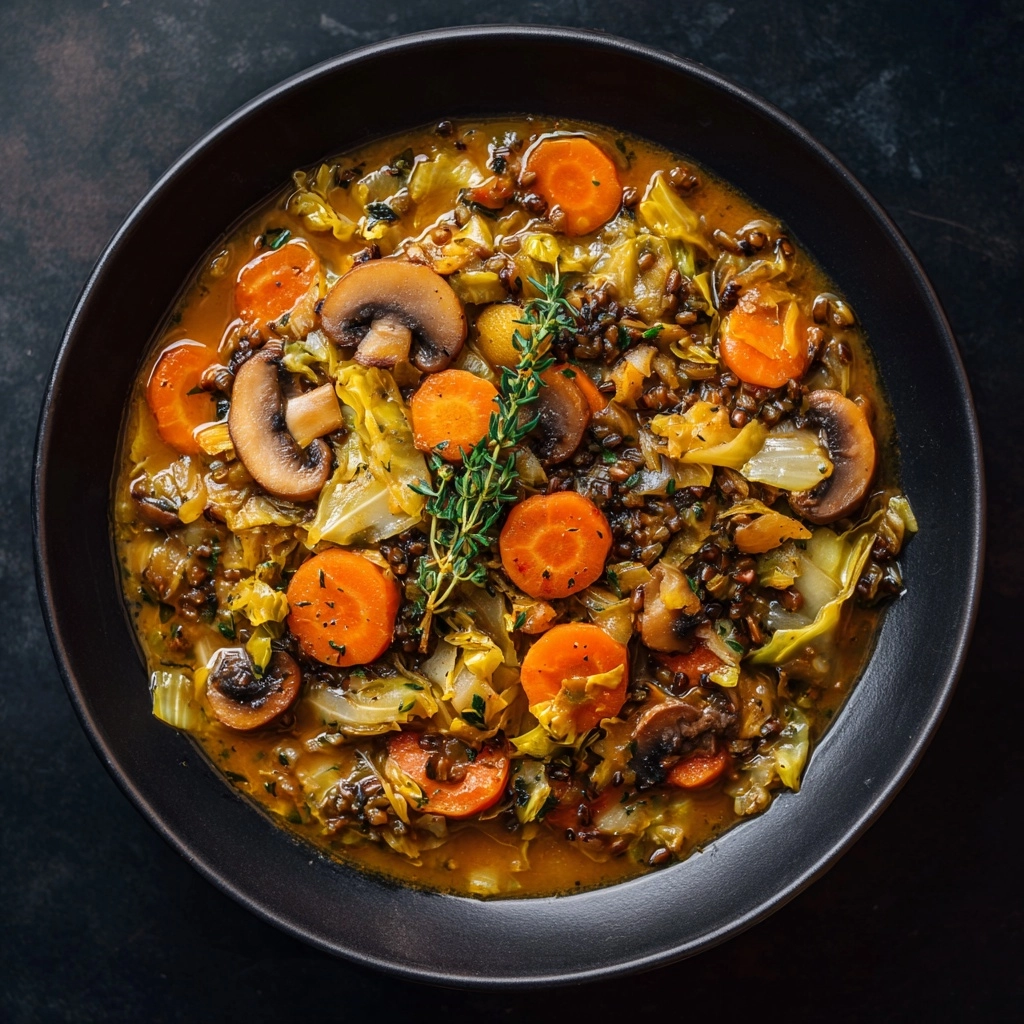
If you’ve ever wished to time-travel your taste buds to the hearty, wholesome meals of early American settlers, then this Colonial Vegetable Pottage Recipe is your perfect culinary companion. This dish is a delightful medley of rustic root vegetables, tender greens, and aromatics simmered into a nourishing, soul-warming pottage that’s as comforting as a cozy hearth on a crisp autumn evening. Full of earthy flavors and comforting textures, it brings history to your table in the most delicious way.
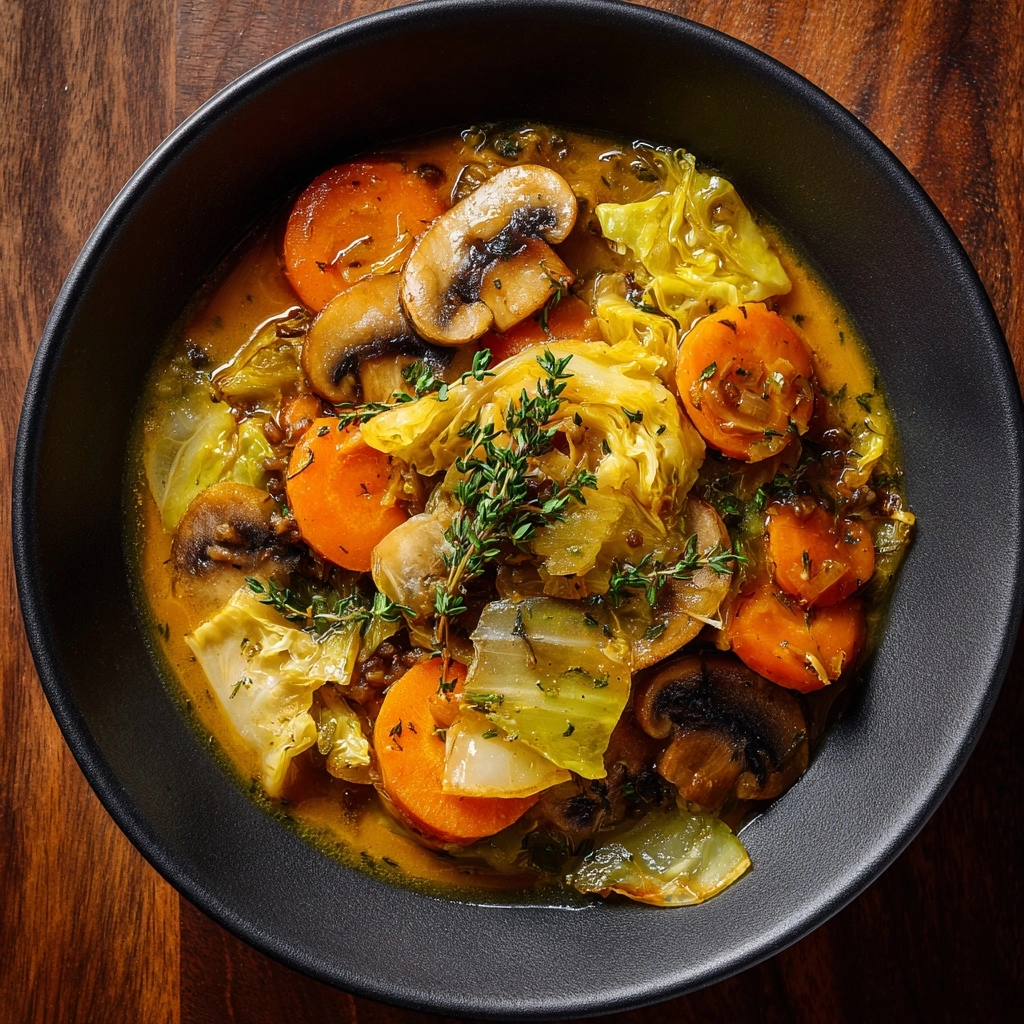
Ingredients You’ll Need
Gathering these simple, yet essential ingredients sets the stage for a deeply flavorful and colorful pottage. Each vegetable and herb contributes its unique note, creating a balanced melody of tastes and textures you will savor.
- 2 tablespoons olive oil or butter: Provides a rich base to sauté aromatics and infuse the dish with warmth.
- 1 medium onion (chopped): Adds a subtle sweetness and depth to the broth.
- 2 garlic cloves (minced): Offers a fragrant punch that awakens the senses.
- 2 carrots (sliced): Brings a natural sweetness and vibrant color.
- 2 parsnips (sliced): Imparts a gentle earthiness and slight nuttiness.
- 2 potatoes (peeled and cubed): Adds hearty texture and satisfies the appetite.
- 1 cup diced turnip or rutabaga: Provides a pleasant bite with a subtly peppery note.
- 1 celery stalk (chopped): Lends a mild fresh flavor and crunch.
- 1 bay leaf: Infuses a fragrant, herbal undertone throughout the stew.
- 1 teaspoon dried thyme: Adds an earthy, slightly floral aromatic touch.
- 1 teaspoon dried sage: Contributes a warm, savory complexity.
- ½ teaspoon salt: Enhances all flavors without overpowering.
- ½ teaspoon black pepper: Gives a subtle heat and pungency.
- 4 cups vegetable broth or water: Forms the flavorful cooking liquid that ties everything together.
- 1 cup green cabbage (shredded): Adds a tender texture and slight sweetness near the end of cooking.
- ½ cup cooked barley or oats (optional): For extra creaminess and thickness, inspired by Colonial-era grains.
- Chopped fresh parsley for garnish: Provides a fresh, bright finish.
How to Make Colonial Vegetable Pottage Recipe
Step 1: Sauté the Aromatics
Begin by heating olive oil or butter in a large pot over medium heat. Toss in the chopped onion and minced garlic, letting them gently soften and release their aromas. This step builds the foundational flavor, filling your kitchen with a warm and inviting scent that hints at the deliciousness to come. Stir regularly for about five minutes until the onion is tender but not browned.
Step 2: Add the Root Vegetables and Celery
Once your aromatics are ready, add the sliced carrots, parsnips, cubed potatoes, diced turnip or rutabaga, and chopped celery. These hearty vegetables are not only nourishing but also bring an array of textures and earthiness to the pottage. Stir everything well so the veggies soak in that fragrant base, and cook for another five to seven minutes, stirring occasionally to avoid sticking.
Step 3: Season and Simmer
Introduce the bay leaf, dried thyme, dried sage, salt, pepper, and pour in the vegetable broth. Bring the mixture up to a boil, then dial the heat down to a gentle simmer. Let the pottage cook uncovered for 25 to 30 minutes, giving those roots time to soften perfectly and absorb all the herbal goodness. This slow melding of flavors is what makes the Colonial Vegetable Pottage Recipe so authentically satisfying.
Step 4: Add Cabbage and Optional Grains
Stir in the shredded green cabbage and the optional cooked barley or oats to thicken the pottage while adding layers of texture and nutrition. Let everything simmer together for an additional five to ten minutes until the cabbage wilts and all the flavors harmonize beautifully. Don’t forget to remove the bay leaf before serving to keep the flavors smooth.
Step 5: Taste and Garnish
Give your pottage a final taste test to adjust the seasoning if needed. The salt and pepper balance here is key to bringing out the natural sweetness and earthiness of the vegetables. Serve it warm, garnished generously with freshly chopped parsley for a touch of color and fresh herbaceous brightness.
How to Serve Colonial Vegetable Pottage Recipe
Garnishes
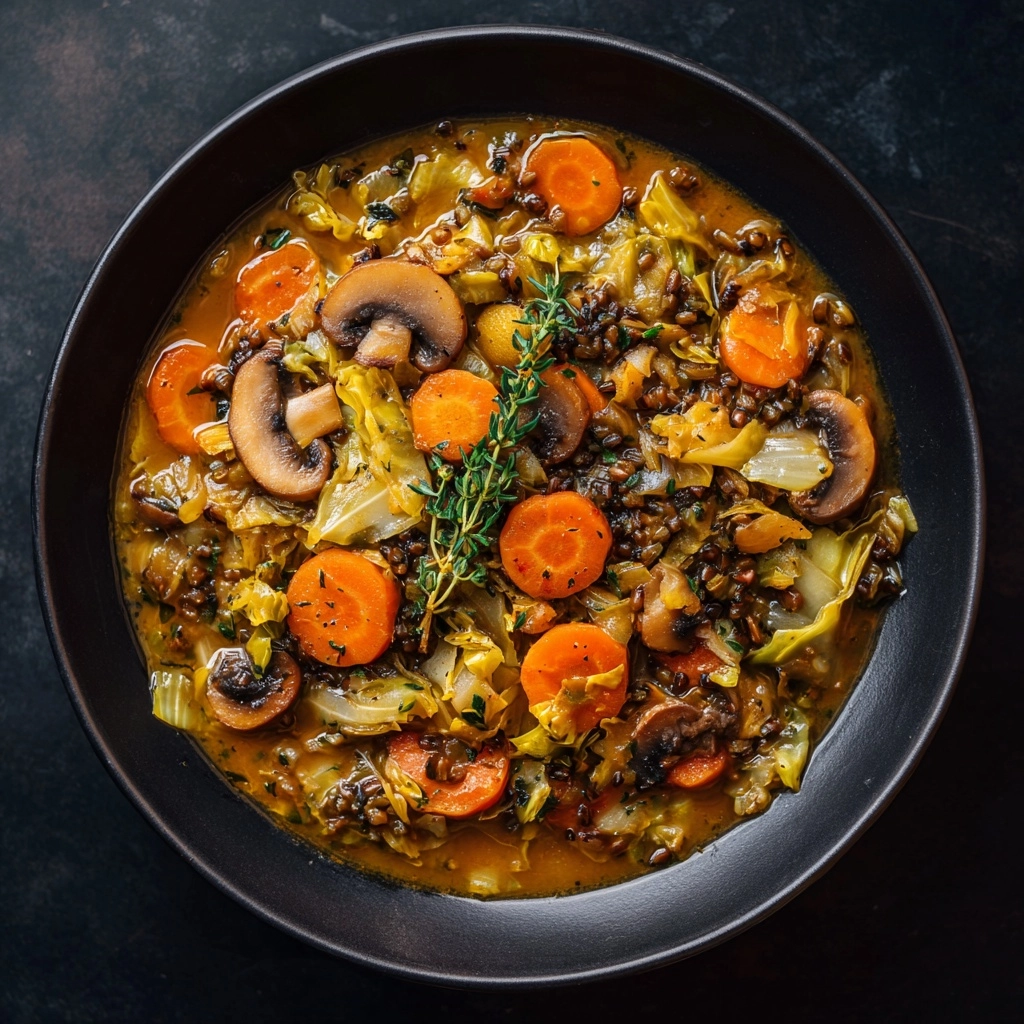
A sprinkle of fresh parsley is simple yet transformative, adding a fresh pop of color and a slight peppery brightness that complements the richness of the pottage. For a rustic touch, a drizzle of extra virgin olive oil or a smear of cultured butter on top can heighten the comforting experience of this classic dish.
Side Dishes
This Colonial Vegetable Pottage pairs wonderfully with a warm slice of cornbread or a chunk of rustic bread, perfect for soaking up that flavorful broth. A crisp green salad balances the heartiness of the pottage, making your meal a well-rounded feast that echoes both tradition and comfort.
Creative Ways to Present
For an inviting presentation, serve the pottage in wide, shallow bowls that show off the colorful medley of vegetables. Garnish with a sprig of thyme or a light dusting of cracked black pepper for visual appeal. If you’re hosting, consider serving it in individual bread bowls for a fun, rustic twist that your guests will adore.
Make Ahead and Storage
Storing Leftovers
Leftover Colonial Vegetable Pottage keeps beautifully in an airtight container in the refrigerator for up to three days. The flavors actually deepen with time, making it even more delicious the next day. Just be sure to cool it completely before refrigerating to maintain the best texture.
Freezing
If you want to store it longer, this pottage freezes very well. Portion it into freezer-safe containers, leaving some space at the top as it will expand when frozen. You can keep it frozen for up to three months. To enjoy later, thaw overnight in the fridge before reheating gently on the stove.
Reheating
Reheat the pottage slowly over low to medium heat on the stovetop, stirring occasionally to avoid sticking and to rewarm evenly. If the pottage has thickened too much in the fridge or freezer, simply add a splash of water or broth to loosen the texture and bring back that comforting stew-like consistency.
FAQs
Can I substitute the vegetables in this Colonial Vegetable Pottage Recipe?
Absolutely! Feel free to swap in seasonal root vegetables or even some beans for added protein. Just keep in mind cooking times may vary slightly depending on the vegetable’s density and water content.
Is this dish suitable for a vegan diet?
Yes, this recipe is fully vegan and also vegetarian. Just use olive oil instead of butter and opt for vegetable broth or water to keep it plant-based and delicious.
What can I use if I want to make the pottage gluten-free?
Simply omit the barley or oats or replace them with cooked gluten-free grains like quinoa or millet to keep the dish gluten-free without compromising on texture or nutrition.
Can I make this recipe in a slow cooker?
Definitely! Start by sautéing the aromatics on the stove, then transfer everything to a slow cooker. Cook on low for 6 to 8 hours or on high for 3 to 4 hours until the vegetables are tender and flavors meld beautifully.
How thick should the pottage be?
Colonial Vegetable Pottage Recipe traditionally has a thick, stew-like consistency but still spoonable. You can adjust the thickness by using the optional grains or by simmering longer to reduce the broth slightly.
Final Thoughts
There’s something undeniably heartwarming about a bowl of Colonial Vegetable Pottage Recipe that connects us to the simple pleasures of times past. This humble yet flavorful dish is a celebration of roots, both culinary and historical, and invites you to savor the nourishment of fresh vegetables and fragrant herbs in every spoonful. I encourage you to make this at home and share it with loved ones—it’s a delightful way to bring a taste of history right into your kitchen.
Print
Colonial Vegetable Pottage Recipe
- Prep Time: 15 minutes
- Cook Time: 40 minutes
- Total Time: 55 minutes
- Yield: 6 servings
- Category: Main Course, Soup
- Method: Stovetop
- Cuisine: Colonial American
- Diet: Vegan, Vegetarian, Gluten Free
Description
Colonial Vegetable Pottage is a hearty and rustic soup recipe inspired by early American settler meals. Packed with nutritious root vegetables, aromatic herbs, and optional barley for thickness, this dish is perfect for a warming main course. It captures the essence of historic simplicity while offering a flavorful and comforting experience suitable for vegan, vegetarian, and gluten-free diets when adjusted accordingly.
Ingredients
Vegetables
- 1 medium onion, chopped
- 2 garlic cloves, minced
- 2 carrots, sliced
- 2 parsnips, sliced
- 2 potatoes, peeled and cubed
- 1 cup diced turnip or rutabaga
- 1 celery stalk, chopped
- 1 cup green cabbage, shredded
Herbs and Spices
- 1 bay leaf
- 1 teaspoon dried thyme
- 1 teaspoon dried sage
- ½ teaspoon salt
- ½ teaspoon black pepper
Liquids and Fat
- 2 tablespoons olive oil or butter
- 4 cups vegetable broth or water
Optional Ingredients
- ½ cup cooked barley or oats (optional for thickening)
- Chopped fresh parsley for garnish
Instructions
- Sauté Aromatics: In a large pot, heat the olive oil or butter over medium heat. Add the chopped onion and minced garlic, cooking until softened and fragrant, about 5 minutes.
- Add Root Vegetables: Stir in the sliced carrots, parsnips, cubed potatoes, diced turnip or rutabaga, and chopped celery. Continue cooking for another 5 to 7 minutes, stirring occasionally to lightly soften the vegetables.
- Season and Add Broth: Add the bay leaf, dried thyme, dried sage, salt, and black pepper to the pot. Pour in the vegetable broth or water, then bring the mixture to a boil.
- Simmer the Soup: Once boiling, reduce the heat to low and simmer the soup uncovered for 25 to 30 minutes, or until all the vegetables are tender and cooked through.
- Add Finishing Ingredients: Stir in the shredded cabbage and, if using, the cooked barley or oats to thicken the pottage. Continue simmering for an additional 5 to 10 minutes to meld flavors and heat everything thoroughly.
- Finish and Serve: Remove the bay leaf, taste the soup, and adjust seasoning as needed. Garnish with chopped fresh parsley and serve the pottage warm, ideally alongside cornbread or rustic bread.
Notes
- This rustic vegetable pottage reflects the hearty, simple meals of early American settlers and is very adaptable.
- Substitute seasonal root vegetables or legumes for variety and additional protein.
- Serve with cornbread or rustic bread for a fulfilling meal.
- To make gluten-free, omit barley or substitute with gluten-free grains such as quinoa or rice.
- Use vegetable broth for a fully vegan and vegetarian dish; butter can be substituted with olive oil for vegan compliance.