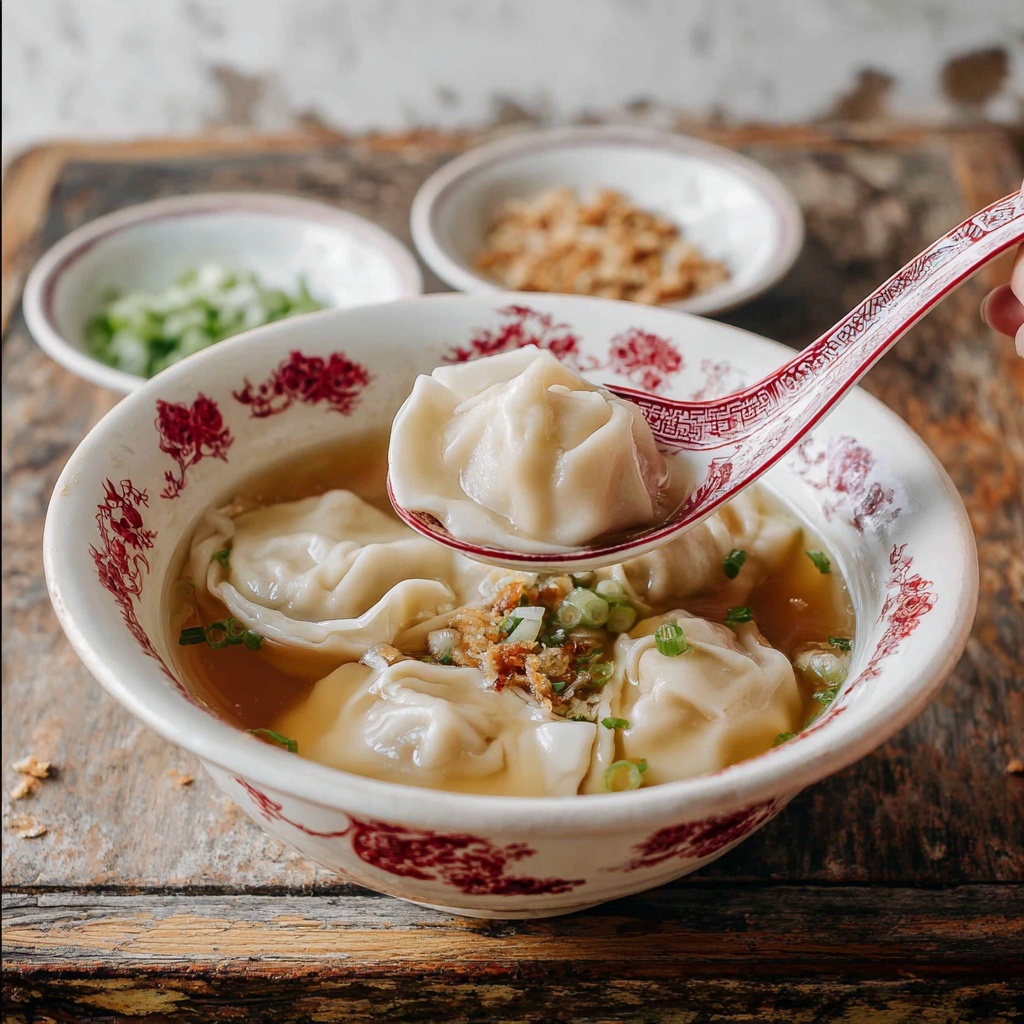
If you’ve ever wondered just how to make wonton wrappers recipe from scratch, you are in for a treat that will transform your homemade dumplings, wontons, or soups into something truly special. These delicate sheets of dough are surprisingly simple to create with just a few pantry staples, yet the joy they bring to your kitchen is immense. Once you master making your own wonton wrappers, you’ll find your fillings taste fresher and your meals instantly elevated. Let’s dive into this delightful process that gives you control over thickness, texture, and freshness, boosting your confidence and culinary creativity.
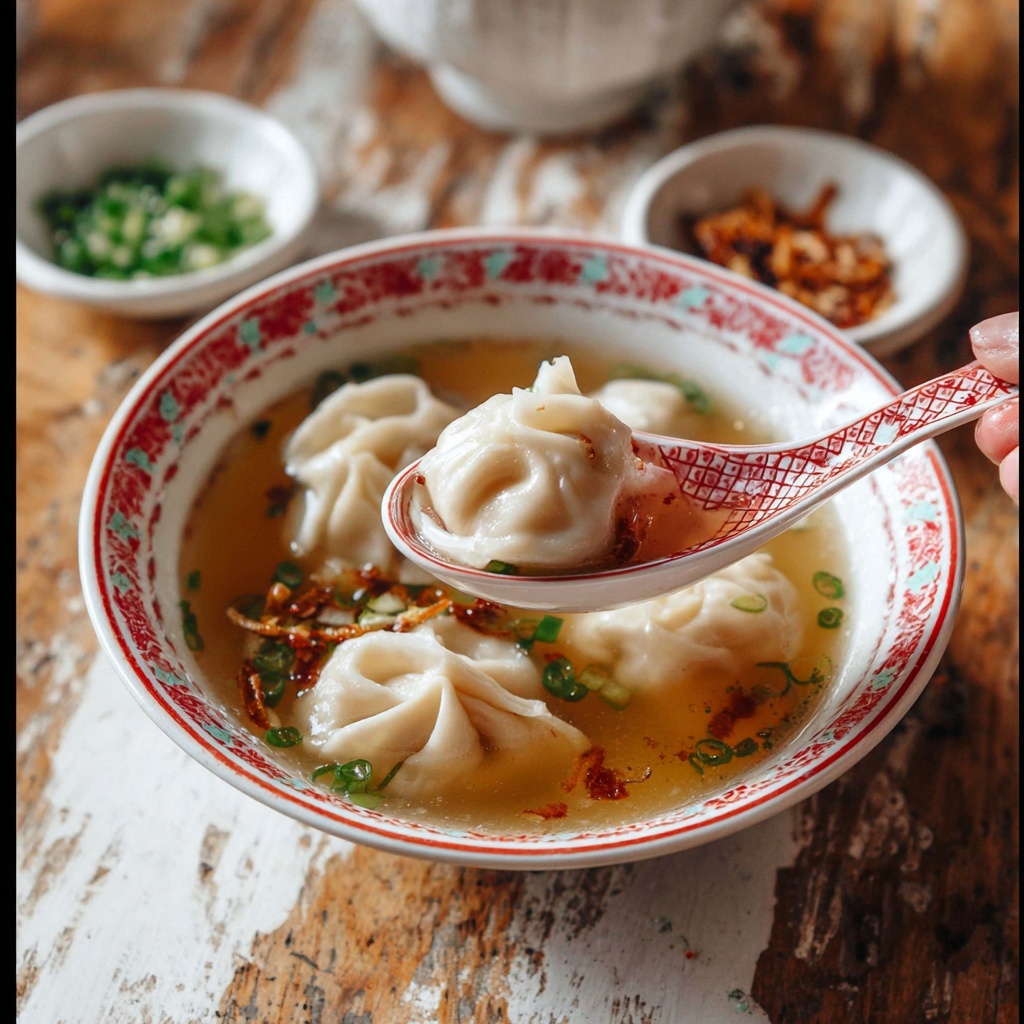
Ingredients You’ll Need
The beauty of learning how to make wonton wrappers recipe is that you only need a handful of ingredients, but each one plays an essential role. The flour sets the structure and chewiness, the water binds it all together, and a light dusting of cornstarch keeps the wrappers from sticking during rolling. Simple ingredients, but they work in harmony to give you those perfect translucent, tender wonton skins.
- Bread flour: High gluten bread flour is your best bet for a chewy, strong wrapper; all-purpose flour works too for a tender but slightly less elastic result.
- Tepid water: Lukewarm water helps hydrate the flour evenly and kickstarts gluten development for a smooth, pliable dough.
- Cornstarch: Dusting the dough with cornstarch prevents sticking without weighing down the wrappers or adding extra flour grit.
How to Make How to Make Wonton Wrappers Recipe
Step 1: Combine and Knead the Dough
Start by putting your bread flour into a spacious mixing bowl and pouring in the tepid water. Using a rubber spatula, mix vigorously until the flour absorbs the water and looks rough and shaggy. Then, use your hands to knead for about five minutes; the dough will feel lumpy but start coming together. Transfers this dough to your countertop and cover it with an overturned bowl—resting here for at least 30 minutes lets the gluten relax, making rolling much easier later on.
Step 2: Divide and Prepare for Rolling
Once rested, notice how your dough looks smoother and feels more pliable. Cut your dough into four equal portions to make the rolling process more manageable. Keep the quarters you’re not working with covered with the bowl to prevent drying out. Tackling one portion at a time keeps everything neat and smooth.
Step 3: Flatten and Dust the Dough
Take one piece and gently flatten it into a rough rectangle with your hands, stretching the corners for neatness. Roll it out just a little with a rolling pin to thin it slightly, so it fits comfortably through your pasta roller. Dust your dough thoroughly on both sides with cornstarch—this step is crucial to stop the dough sheets from sticking to the roller or each other.
Step 4: Roll to Perfect Thinness
Begin passing the dough through the pasta machine starting at the thickest setting. Gradually move to thinner settings one by one. When the dough sheet becomes quite long, cut it in half to maintain control and ease of handling. You’re aiming for a nearly paper-thin sheet—thin enough to be translucent but strong enough to hold the filling without tearing. Dust both sides heavily with cornstarch again once rolled to final thickness.
Step 5: Cut into Squares
Trim the rolled dough edges for straight lines, giving you neat rectangles to cut into squares around 3½ to 4 inches across. These squares will form the shape of your wonton wrappers. Cutting precise squares helps with even folding and sealing later.
Step 6: Assemble and Seal Your Wontons
Immediately use the wrappers to assemble your wontons with your preferred filling. Use water to moisten the edges and seal them tightly, preventing any filling leaks during cooking. Preparing wontons right away ensures the delicate wrappers do not dry out or weaken.
Step 7: Cooking Your Wontons
Pop your assembled wontons into boiling water. Stir gently at first to keep them from sticking to the pot’s bottom. Boil for 5 to 6 minutes, adding a splash of cold water every time the pot returns to a boil. This technique allows the filling to cook through thoroughly without toughening or rupturing the wrapper—giving you perfectly tender, juicy wontons every time.
How to Serve How to Make Wonton Wrappers Recipe
Garnishes
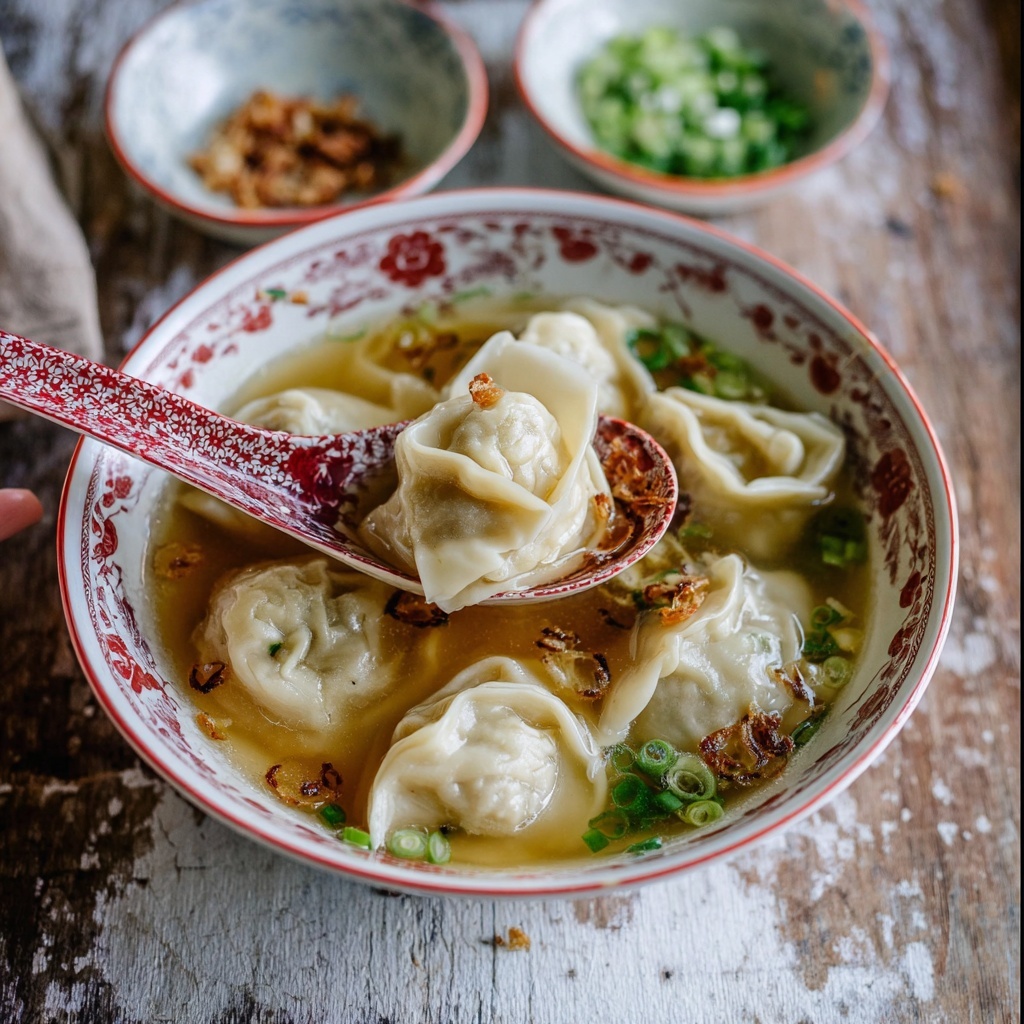
Sprinkle fresh chopped scallions or cilantro over your freshly boiled wontons to add a pop of greenery and freshness. A drizzle of toasted sesame oil or a dash of chili oil can provide that irresistible aromatic kick.
Side Dishes
Mild, refreshing sides like cucumber salad or steamed greens balance the richer flavors of pork, shrimp, or vegetable wontons. Pairing your wontons with a bowl of hot broth also turns the meal into a comforting feast.
Creative Ways to Present
Try serving wontons in a light soup with broth, bok choy, and a sprinkle of crispy garlic. Alternatively, plate them steamed with dipping sauces such as soy-vinegar, spicy peanut, or sweet chili for an interactive meal experience that guests will love.
Make Ahead and Storage
Storing Leftovers
If you have leftover wontons, keep them in an airtight container and refrigerate for up to 24 hours. Make sure wrappers do not get soggy by placing parchment paper between layers if stacking.
Freezing
Freeze assembled wontons on a parchment-lined tray until solid, then transfer them to a sealed freezer bag for up to 3 months. This method preserves freshness and prevents sticking so you can enjoy homemade flavors on busy days.
Reheating
Reheat frozen or chilled wontons by boiling them fresh from frozen or gently steaming until heated through. Avoid microwaving to keep the wrappers tender and prevent rubberiness.
FAQs
Can I use all-purpose flour instead of bread flour?
Yes, you can substitute all-purpose flour, but note that bread flour gives your wonton wrappers a chewier texture due to higher gluten content. AP flour will yield more tender skins that might be a bit more delicate.
Do I need a pasta roller to make these wrappers?
A pasta roller makes the process faster and ensures consistent thinness, but you can also roll the dough by hand with a rolling pin. It just takes a bit more patience to get the sheets very thin.
How thin should the wonton wrappers be?
They should be almost paper-thin, translucent enough to see light through, but still sturdy enough to handle folding and filling without tearing. Usually, rolling to the second-to-last pasta machine setting achieves this perfectly.
Can I make wonton wrappers without cornstarch?
Cornstarch is key to preventing sticking during rolling and cutting. If you don’t have cornstarch, try potato starch or rice flour as alternatives—both work well to dust the dough.
How long can I store homemade wonton wrappers before using them?
When wrapped tightly in plastic wrap and refrigerated, the dough can rest up to 4 hours before rolling. After cutting into wrappers, it’s best to use them immediately or keep them lightly dusted with cornstarch and covered for a few hours to prevent drying.
Final Thoughts
Learning how to make wonton wrappers recipe from scratch might seem like a project, but it’s genuinely a rewarding cooking adventure that pays off in flavor and satisfaction. Once you’ve mastered these thin, tender wrappers, you’ll elevate every meal featuring homemade wontons, dumplings, or soups. Give it a try, get messy, and enjoy the hands-on magic that only homemade dough can bring to your kitchen.
Print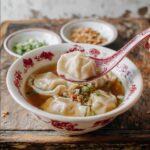
How to Make Wonton Wrappers Recipe
- Prep Time: 2 hours
- Cook Time: 10 minutes
- Total Time: 2 hours 10 minutes
- Yield: 24 wonton wrappers
- Category: Dough Preparation
- Method: Stovetop
- Cuisine: Chinese
Description
Learn how to make delicate and chewy wonton wrappers from scratch with just bread flour, water, and cornstarch. This step-by-step guide walks you through kneading the dough, rolling it out thinly using a pasta roller, and cutting perfect squares ready for your favorite wonton fillings. Homemade wrappers ensure a fresh texture and superior taste compared to store-bought.
Ingredients
For the Dough
- 3 1/2 cups bread flour (high gluten flour; can substitute all-purpose flour, but bread flour yields a chewier wrapper)
- 1 cup tepid water
For Dusting
- Cornstarch (for dusting to prevent sticking)
Instructions
- Mix and Knead the Dough: Put the bread flour in a large mixing bowl. Add the tepid water and stir vigorously with a rubber spatula until the mixture looks shaggy. Then knead the dough with your hands for about 5 minutes until it becomes lumpy but holds together.
- Rest the Dough: Place the dough on the counter and cover it with an overturned bowl. Let it rest for at least 30 minutes, or up to 4 hours. This resting period allows the gluten to relax, making the dough more pliable for rolling.
- Divide the Dough: After resting, the dough should be smoother and easier to handle. Divide it into four equal quarters, working with one piece at a time while keeping the others covered to prevent drying out.
- Flatten and Dust: Flatten a piece into a rough rectangle shape and roll it out slightly with a rolling pin so it can fit into your pasta roller. Dust both sides generously with cornstarch to prevent sticking during rolling.
- Roll Out Thinly: Feed the dough through a pasta roller starting from the thickest setting and gradually move to thinner settings. When the dough sheet becomes very long, cut it in half to make it manageable. Roll until the dough is nearly paper thin; on an Atlas pasta roller, this is typically setting #5. Dust with cornstarch again thoroughly on both sides.
- Cut into Squares: Trim the edges of the dough to create straight lines, then cut into 3 1/2 to 4 inch (9-10 cm) squares. These are your wonton wrappers ready for filling and folding.
- Assemble Wontons: Fill and seal the wontons immediately using water to moisten the edges to help them stick together. It’s best to assemble and cook or freeze them quickly to avoid moisture making the wrappers soggy or prone to cracks.
- Cook or Freeze: To cook, gently drop wontons into boiling water while stirring to prevent sticking. Boil for 5-6 minutes, adding cold water each time the water returns to a boil to keep the temperature steady and cook the filling evenly without overcooking the wrapper. Wontons can also be frozen within 1 hour of assembly for later use.
Notes
- Using bread flour improves the chewiness of the wrappers due to its higher gluten content.
- Resting the dough is crucial for easier rolling and a smoother texture.
- Thorough dusting with cornstarch prevents sticking during rolling and cutting.
- Do not let assembled wontons sit too long before cooking or freezing to avoid soggy wrappers and filling leakage.
- When cooking, adding cold water during boiling prevents the wrapper from overcooking and helps cook the filling thoroughly.
- Wontons freeze well—freeze them in a single layer on a tray before transferring to a bag to prevent sticking.