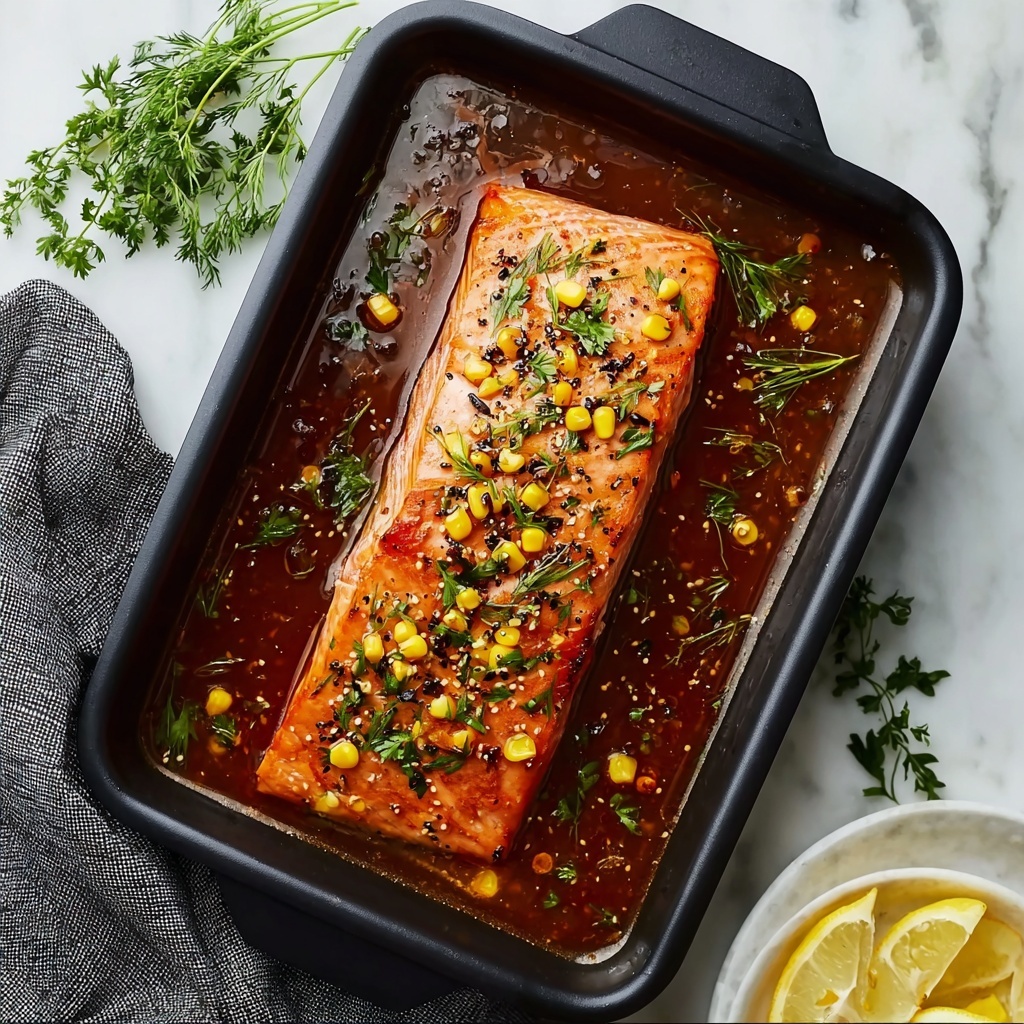
If you’re on the hunt for a dish that feels like a warm hug on a plate, this Honey Glazed Salmon Recipe is the one to try. It perfectly balances the natural richness of salmon with a luscious honey glaze that brings a delightfully sweet and savory flavor that tickles your taste buds. Every bite offers a tender, flaky texture accented by hints of ginger, garlic, and lemon that make this recipe not just easy but absolutely crave-worthy. Whether you’re cooking for a cozy night or impressing guests, this recipe hits the sweet spot of simple ingredients and show-stopping taste.
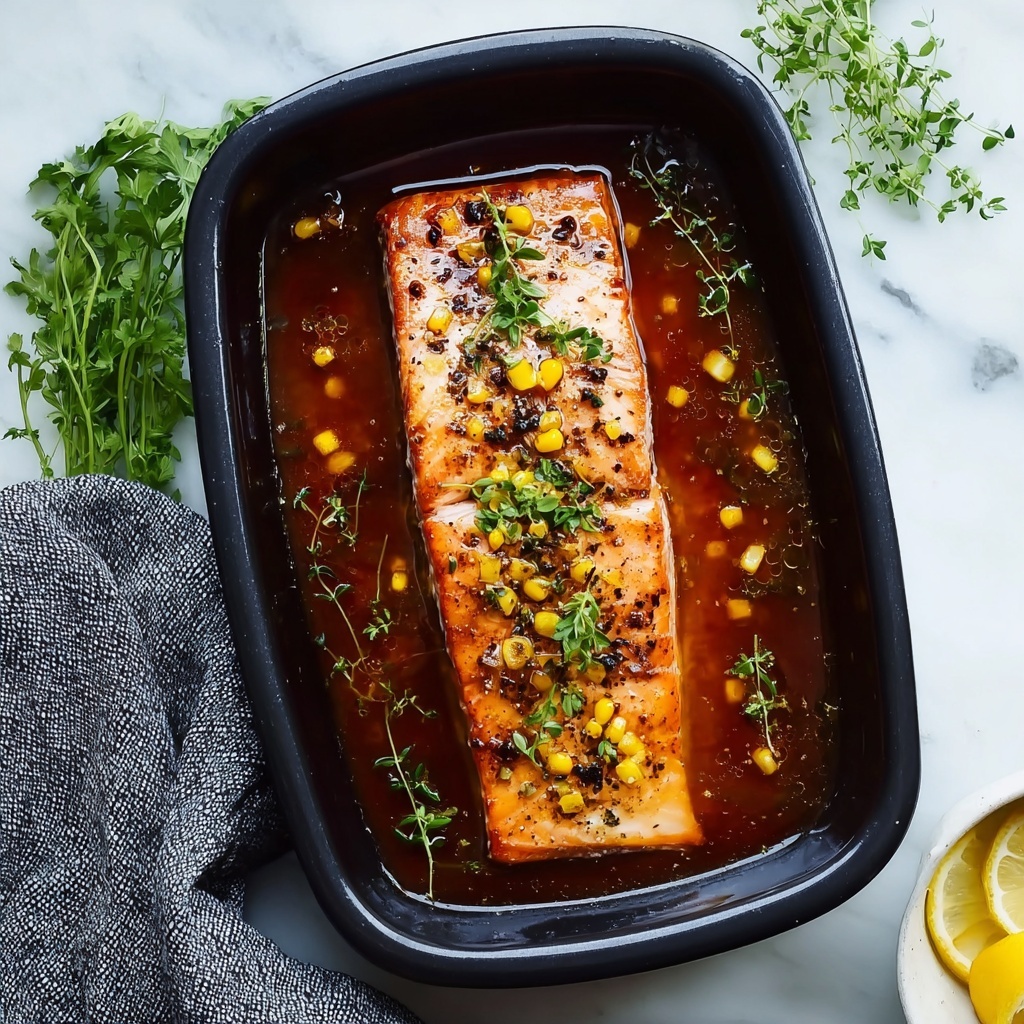
Ingredients You’ll Need
Gathering ingredients for this Honey Glazed Salmon Recipe is refreshingly straightforward, focusing on a handful of essentials that each play a crucial role in building layers of flavor and texture. From the luscious sweetness of honey to the zing of fresh lemon juice, every item complements the salmon perfectly.
- Salmon fillets (1 lb): Choose fresh, high-quality fillets for the best flavor and texture.
- Honey (3 tablespoons): Acts as the star sweetener that creates that irresistible glaze.
- Soy sauce (1 tablespoon): Adds a briny, umami depth that balances the sweetness.
- Olive oil (1 tablespoon): Keeps the fish moist and aids in achieving a delicate crispness.
- Dijon mustard (1 teaspoon): Brings a subtle tang and complexity to the glaze.
- Fresh lemon juice (1 tablespoon): Injects brightness and cuts through the richness beautifully.
- Garlic, minced (1 clove): Offers a fragrant warm punch that complements the other ingredients.
- Ground ginger (1/2 teaspoon): Adds a gentle spicy warmth that elevates the glaze.
- Black pepper (1/4 teaspoon): Provides a mild heat to balance the flavors.
- Salt (1/4 teaspoon): Enhances all the natural flavors and rounds out the dish.
How to Make Honey Glazed Salmon Recipe
Step 1: Preheat and Prepare
Start by setting your oven to 400°F (200°C) to ensure it’s nice and hot for even cooking. Then, line a baking sheet with parchment paper or grease it lightly to prevent sticking—this simple prep step guarantees easy cleanup and helps the salmon cook evenly.
Step 2: Arrange the Salmon
Place your salmon fillets skin-side down on the baking sheet if they still have the skin on. This technique helps the fish stay moist and flavorful while cooking. The skin also acts as a protective layer, so you get tender, juicy salmon without worrying about it drying out.
Step 3: Make the Glaze
Whisk together the honey, soy sauce, olive oil, Dijon mustard, fresh lemon juice, minced garlic, ground ginger, black pepper, and salt in a small bowl until everything is well combined. This simple mix is what transforms the dish into a mouthwatering masterpiece, marrying sweet, tangy, and savory notes in every bite.
Step 4: Glaze the Salmon
Using a spoon or a brush, generously coat the top of each salmon fillet with the honey glaze. Don’t be shy here—form a shiny, even layer to lock in moisture and kick flavors into high gear, but be careful not to drown the fish. This step is where the salmon picks up that gorgeous, glossy finish.
Step 5: Bake to Perfection
Slide your baking sheet into the preheated oven and bake for 12 to 15 minutes. You’re looking for the salmon to flake easily when poked with a fork. This timeframe is perfect for achieving tender, flaky salmon that melts in your mouth yet holds enough structure to admire beautifully on your plate.
Step 6: Optional Broil for a Caramelized Finish
If you like your glaze with a bit of a caramelized edge, turn your oven to broil high for the last 2 to 3 minutes of cooking. Keep a close watch though—those sugars can brown quickly. This quick broil adds that irresistible slightly crispy, sticky texture on top that makes the honey glaze stand out even more.
Step 7: Rest and Serve
Once done, let the salmon rest for a few minutes to allow the juices to settle, resulting in a more succulent bite. Then serve immediately, garnished as you like, and enjoy the explosion of flavors from your homemade Honey Glazed Salmon Recipe.
How to Serve Honey Glazed Salmon Recipe
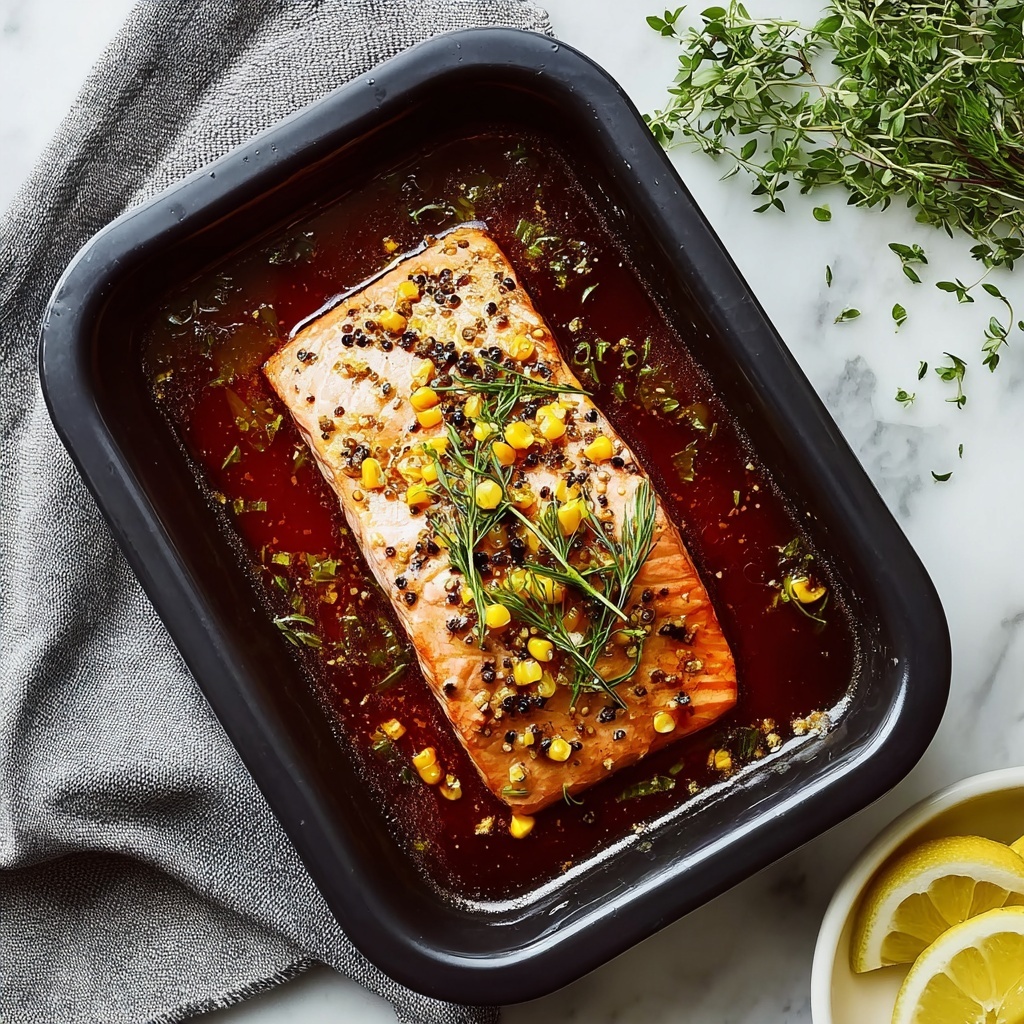
Garnishes
A sprinkle of fresh herbs like parsley, dill, or chives adds a pop of green and a fresh, earthy aroma that balances the glaze’s sweetness. Lemon wedges on the side can be squeezed for an extra zing of citrus that brightens each forkful beautifully.
Side Dishes
This Honey Glazed Salmon Recipe pairs wonderfully with light, vibrant sides such as steamed asparagus, garlic roasted potatoes, or even a crisp mixed greens salad. Rice pilaf or quinoa also complement the dish by soaking up any extra glaze, creating a delicious, cohesive meal.
Creative Ways to Present
For a fun twist, serve your salmon over a bed of creamy mashed cauliflower or alongside grilled vegetables for a colorful, nutritious plate. You could also top it with some toasted sesame seeds or chopped green onions to add texture and an extra burst of flavor that guests will love.
Make Ahead and Storage
Storing Leftovers
Store any leftover honey glazed salmon in an airtight container in the fridge for up to 2 days. Keeping the glaze on helps the salmon maintain flavor and moisture, so it tastes almost as good the next day as it did fresh out of the oven.
Freezing
If you want to save salmon for longer, wrap individual portions tightly in plastic wrap and then foil before freezing. Frozen salmon glazed with honey keeps well for up to 1 month. When you’re ready, thaw it overnight in the fridge to preserve the delicate texture.
Reheating
The best way to reheat salmon without drying it out is gently warming it in the oven at 275°F (135°C) for 10-15 minutes. This controlled heat prevents the glaze from burning and keeps the fish tender, letting you enjoy your Honey Glazed Salmon Recipe just as much the second time around.
FAQs
Can I use fresh ginger instead of ground ginger?
Absolutely! Fresh ginger will give a brighter, zestier flavor. Use about one teaspoon of finely grated fresh ginger in place of the ground ginger to maintain balance in the glaze.
Is this recipe suitable for grilling instead of baking?
Yes, you can grill the salmon on medium heat, but watch carefully as the honey glaze can burn quickly. Grill skin-side down first and apply the glaze towards the end of cooking for the best results.
Can I substitute the salmon with other fish?
While this recipe pairs best with salmon due to its flavor and texture, you can try it with other firm, fatty fish like trout or Arctic char. Just adjust cooking times as needed to avoid overcooking.
How do I prevent the honey glaze from burning?
Keep an eye on the salmon during the last minutes if broiling, and avoid applying excessive glaze thickness. The sugars in honey caramelize quickly, so moderate heat and careful timing are key to a perfect finish.
Can I make the glaze ahead of time?
Definitely! You can mix the honey glaze up to a day in advance and keep it covered in the fridge. This actually helps the flavors meld nicely. Just give it a quick stir before brushing it onto the salmon.
Final Thoughts
This Honey Glazed Salmon Recipe is one of those dishes that feels both simple and special, every single time. It’s easy enough for a weeknight dinner but impressive enough to serve guests without stress. The blend of sweet, savory, and tangy flavors wrapped in tender salmon is a treat that’s sure to become a go-to in your kitchen. Give it a try—you won’t regret a single bite!
Print
Honey Glazed Salmon Recipe
- Prep Time: 10 minutes
- Cook Time: 12-15 minutes
- Total Time: 22-25 minutes
- Yield: 4 servings
- Category: Main Course
- Method: Baking
- Cuisine: American
- Diet: Low Fat
Description
This Honey Glazed Salmon recipe offers a delightful balance of sweet and savory flavors, featuring tender salmon fillets baked to perfection with a luscious honey-soy glaze. The glaze incorporates a zesty mix of lemon juice, garlic, and Dijon mustard, enhanced with warm spices like ground ginger and a hint of black pepper. Perfect for a quick, nutritious weeknight dinner or an impressive yet simple dish for guests.
Ingredients
Salmon
- 1 lb salmon fillets
Honey Glaze
- 3 tablespoons honey
- 1 tablespoon soy sauce
- 1 tablespoon olive oil
- 1 teaspoon Dijon mustard
- 1 tablespoon fresh lemon juice
- 1 clove garlic, minced
- 1/2 teaspoon ground ginger
- 1/4 teaspoon black pepper
- 1/4 teaspoon salt
Instructions
- Preheat Oven: Preheat your oven to 400°F (200°C) to ensure it’s at the ideal temperature for baking the salmon evenly.
- Prepare Baking Sheet: Line a baking sheet with parchment paper or lightly grease it with cooking spray to prevent the salmon from sticking and for easier cleanup.
- Arrange Salmon: Place the salmon fillets on the prepared baking sheet, skin-side down if the skin is intact, to help keep the fish moist while cooking.
- Make Glaze: In a small bowl, whisk together honey, soy sauce, olive oil, Dijon mustard, lemon juice, minced garlic, ground ginger, black pepper, and salt until well combined to create the flavorful glaze.
- Coat Salmon: Using a spoon or brush, generously coat the top of each salmon fillet with the honey glaze mixture, making sure each piece is evenly covered but not flooded.
- Bake Salmon: Place the baking sheet in the preheated oven and bake the salmon for 12-15 minutes, or until the fish flakes easily with a fork.
- Check Doneness: Gently insert a fork into the thickest part of the fillet to test for doneness; it should separate into flakes with little resistance.
- Optional Broil: For a caramelized finish, broil the salmon on high for 2-3 minutes at the end of baking, keeping a close eye to avoid burning.
- Rest: Remove the salmon from the oven and let it rest for a few minutes to allow the juices to redistribute.
- Serve: Serve the honey-glazed salmon immediately, garnished with additional lemon wedges or fresh herbs if desired to enhance presentation and flavor.
Notes
- The salmon skin, if left on, helps to keep the fillets moist and makes handling easier but can be removed before eating if preferred.
- The broiling step is optional but recommended for a slightly crisp and caramelized glaze.
- You can adjust the sweetness of the glaze by varying the amount of honey to your taste preference.
- For a gluten-free option, use tamari or a gluten-free soy sauce alternative.
- Serve with steamed vegetables, rice, or a fresh salad for a balanced meal.